Author Archives: Chad Purkey

Give a Neighbor a Turkey!

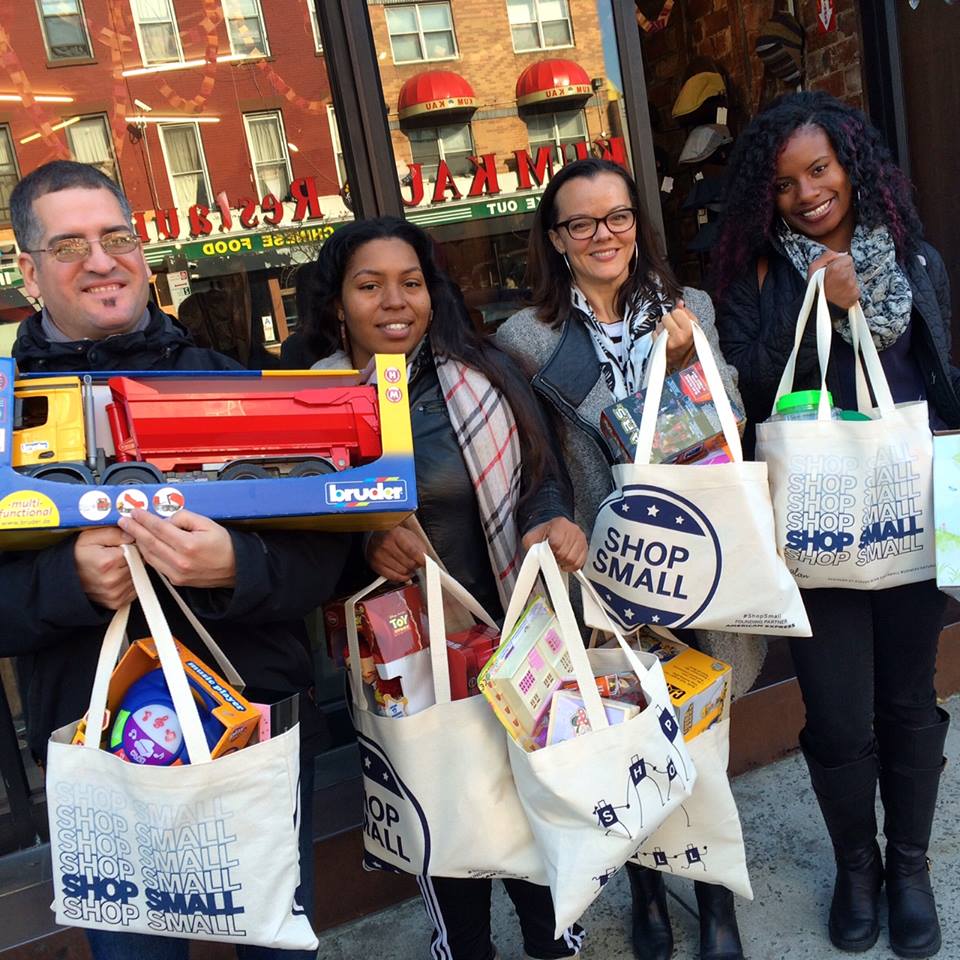
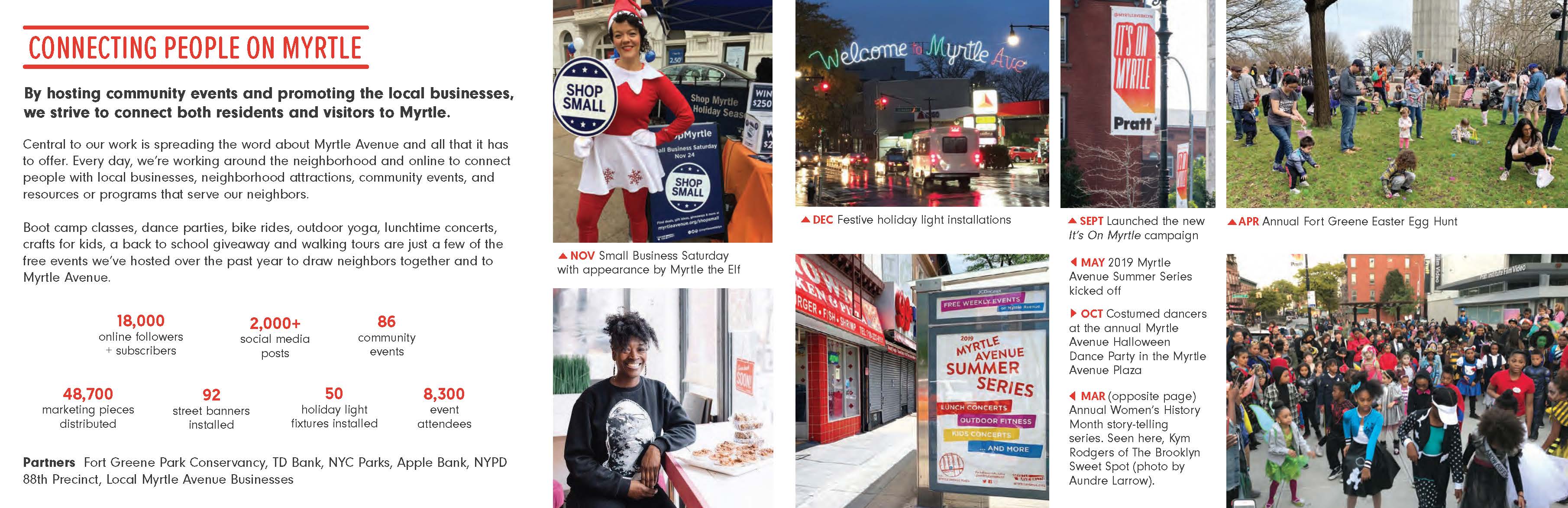
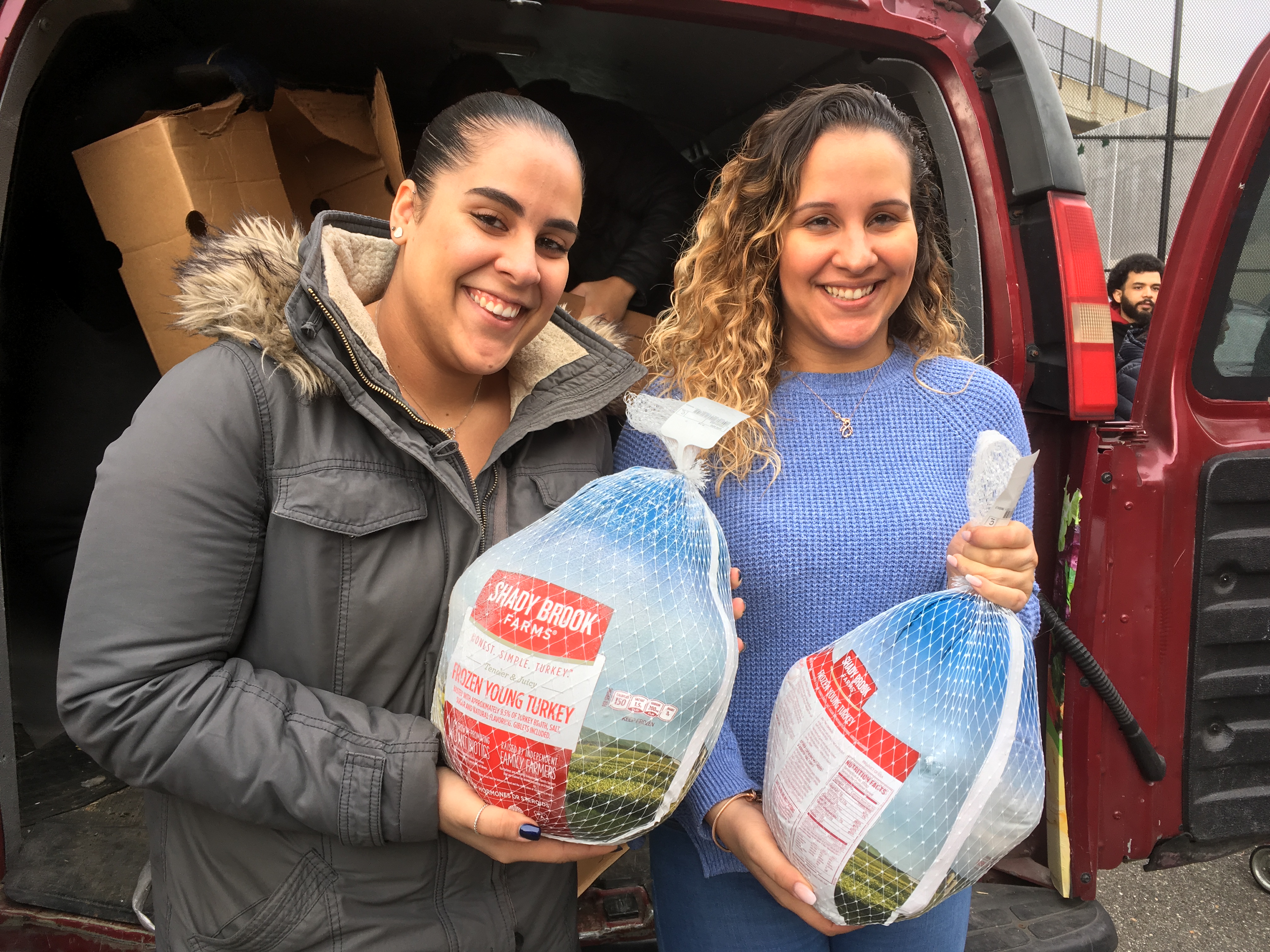
Will you help local families this Thanksgiving by supporting our turkey drive? Our goal is to provide turkeys and Thanksgiving groceries to 1200 families!

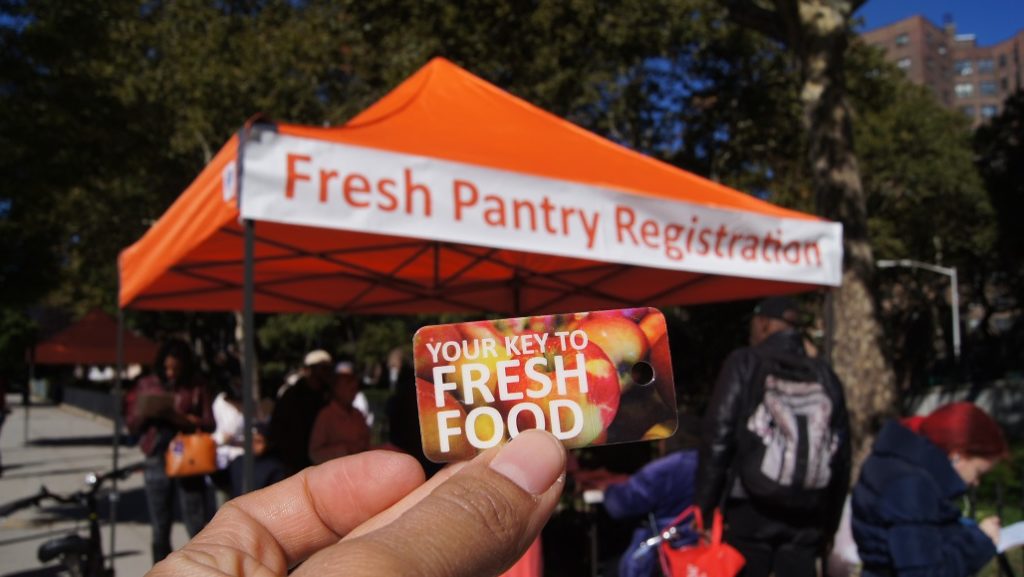
The Myrtle Avenue Brooklyn Partnership is supporting One Community and many partners who operate the weekly Fort Greene Fresh Pantry, serving families from Farragut, Whitman, Ingersoll, and Atlantic Terminal Houses year-round. With your help, this November, each family that visits the pantry ahead of Thanksgiving on November 18 will also get a turkey and traditional sides for their holiday meal. 

ABOUT THE PANTRY

Since 2015, the Fort Greene & Farragut Fresh Pantry has been providing free groceries to neighbors and this year has seen demand grow nearly significantly. Through the pandemic, we moved to a delivery model and distributed over 1,500,000 lbs of food through 60,000 home deliveries. We continue serving families in need every weekend at three different pick-up pantry locations near the four NYCHA campuses in Fort Greene.

Interested in volunteering at the pantry? Sign-up HERE

New Funding & Coalition Launched to Support Local Elders

New Funding and Coalition Announced to Further Support Local Elders

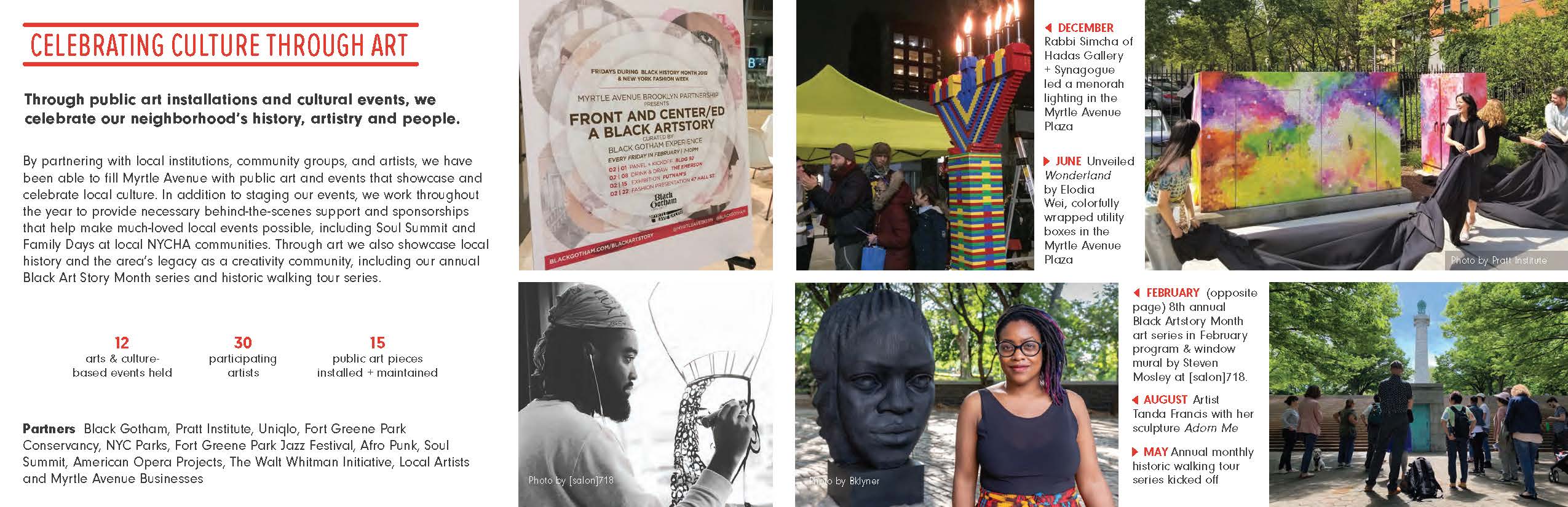
In July, the Age-friendly Brooklyn Neighborhoods Collaborative, a three member-collective of the Myrtle Avenue Brooklyn Partnership, Age Friendly Central Brooklyn (AFCBI), and The New York Academy of Medicine (NYAM), was funded in part by a grant from Brooklyn Community Foundation’s Elders’ Fund initiative. The funding will support collaboration amongst the organizational partners to continue their work of supporting aging in place for older adults. Together we seek to ensure that the 28,000 older adults living across Central Brooklyn (Bedford-Stuyvesant, Clinton Hill, Crown Heights, and Fort Greene) have the tools and resources to age in place. NYAM will serve as the convener for this coalition, and host regular meetings to bring together participants, share resources, exchange ideas, and discuss future programming in keeping with the Collaborative’s mission. 

“NYAM is thrilled to partner with Myrtle Avenue Brooklyn Partnership and Age-friendly Central Brooklyn on this exciting grant initiative,” says Elana Kieffer, Acting Director, Center for Healthy Aging at NYAM. “This is a prime example of how we support age-friendly neighborhood organizations across NYC in the work they do every day to improve the lives of older adults in the communities where they live.”

With the three-year grant, totaling $135,000, the three-member coalition will work together to continue their support of older Brooklynites. This includes connecting older adults to resources, organizing advocacy and civic engagement, and free events and programs that connect them to local businesses, skill building, cultural opportunities and combat social isolation.

“Age Friendly Central Brooklyn, Inc. (AFCBI) is excited that Brooklyn Community Foundation chose our partnership to support age-friendly communities,” says Selma Jackson, president, AFCBI. “This grant supports the continuing work of serving older adults in Ft. Greene/Clinton Hill/Central Brooklyn.”

About Brooklyn Community Foundation Elder’s Fund

Brooklyn Community Foundation is on a mission to spark lasting social change, mobilizing people, capital, and expertise for a fair and just Brooklyn. Since its founding in 2009, the Foundation and its donors have provided over $25 million in grants to more than 300 nonprofits throughout the borough, bolstering vital programs and services while responding to urgent community needs and opportunities. In 2014, following a six-month borough wide community engagement project called Brooklyn Insights, the Foundation unveiled a new strategic action plan focused on youth, neighborhood strength, nonprofit capacity, and racial justice. Learn more at www.BrooklynCommunityFoundation.org.

About Age-Friendly Myrtle Avenue

In 2015, the Myrtle Avenue Brooklyn commercial district was designated as an Age-friendly Neighborhood by the New York City Council and New York Academy of Medicine. This designation acknowledged the area’s many elements that make it “friendly” for older adults and helped continue programming and advocacy led by the Myrtle Avenue Brooklyn Partnership for local elders. This included the formation of the Myrtle Avenue Senior Advisory Council and work to ensure local businesses are accommodating senior shoppers, planning free local events and programming, and connecting seniors to resources, like through the annual Myrtle Avenue Senior Resource Fair. In 2019, the Brooklyn Community Foundation awarded the Myrtle Avenue Brooklyn Partnership a grant from their inaugural Brooklyn Elders’ Fund to support age-friendly work in the neighborhood.

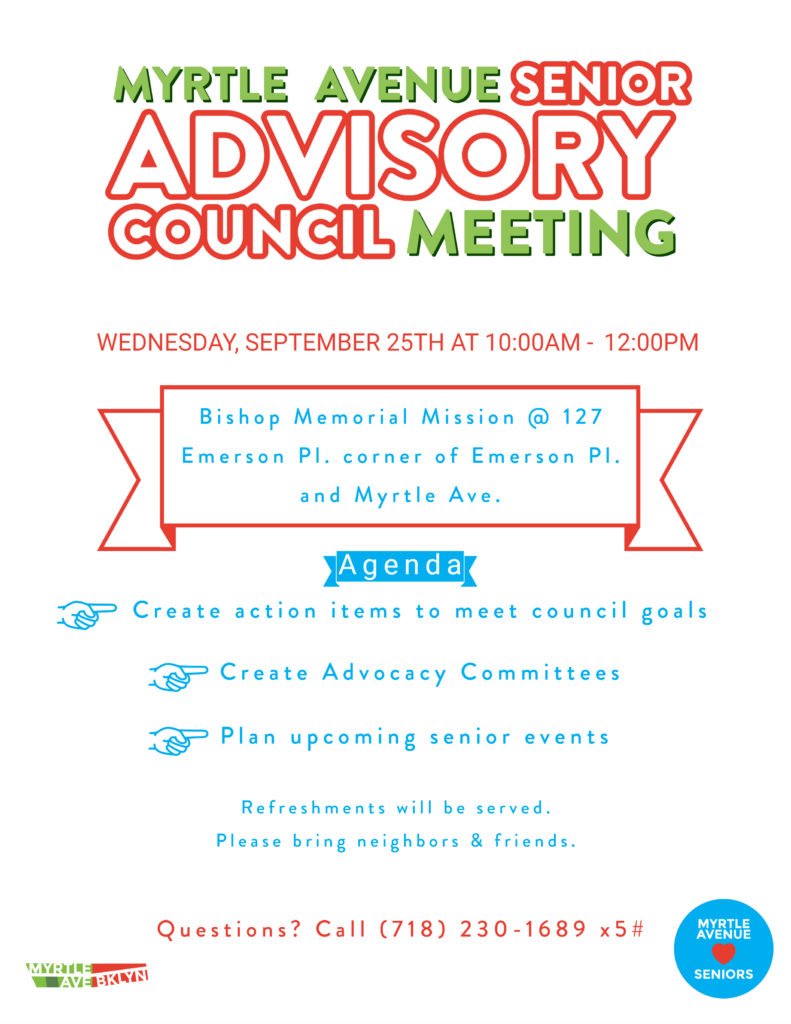
Older adults in Clinton Hill and Fort Greene can join the Myrtle Avenue Senior Advisory Council, which meets virtually on the second Friday of each month and learn about upcoming free events for older adults by contacting Ryan Greenlaw at ryan@myrtleavenue.org or calling (718) 230-1689 ext. 4.

About Age Friendly Central Brooklyn, Inc.

Age Friendly Central Brooklyn, Inc. originated in 2007 from newly designated Age Friendly NYC, a new partnership between the Office of the Mayor, The New York City Council, and NYAM. Next, New York City launched a pilot program in 2009 that featured three Aging Improvement Districts (AID). Bedford Stuyvesant was the only locally controlled AID whose residents were primarily of African Descent.  In 2015, the City Council expanded and renamed the initiative Age Friendly Neighborhood Initiative. It was then that the Bedford-Stuyvesant Aging Improvement District became the Age Friendly Neighborhood Initiative of Bedford-Stuyvesant & Crown Heights, now an independent entity known as AFCBI.    

AFCBI, a community-based organization, led by a volunteer group of older adults that builds upon the rich experience of adults age 62 and older to ensure they can age in place. Through intentional outreach, AFCBI leverages local resources to improve their overall quality of life. Our Age Friendly Ambassadors engage other older adults in a myriad of activities to meet the social, economic, cultural and civic needs of this growing population. For more information contact: Donna Williams, secretary@agefriendlycb.org

About The New York Academy of Medicine

The New York Academy of Medicine (NYAM) tackles the barriers that prevent every individual from living a healthy life. NYAM generates the knowledge needed to change the systems that prevent people from accessing what they need to be healthy such as safe and affordable housing, healthy food, healthcare, and more. Through its high-profile programming for the general public, focused symposia for health professionals, and its base of dedicated Fellows and Members, NYAM engages the minds and hearts of those who also value advancing health equity to maximize health for all. For more information, visit nyam.org and follow @nyamnyc and @agefriendlynyc on social media.  

What’s Being Built Where On & Around Myrtle

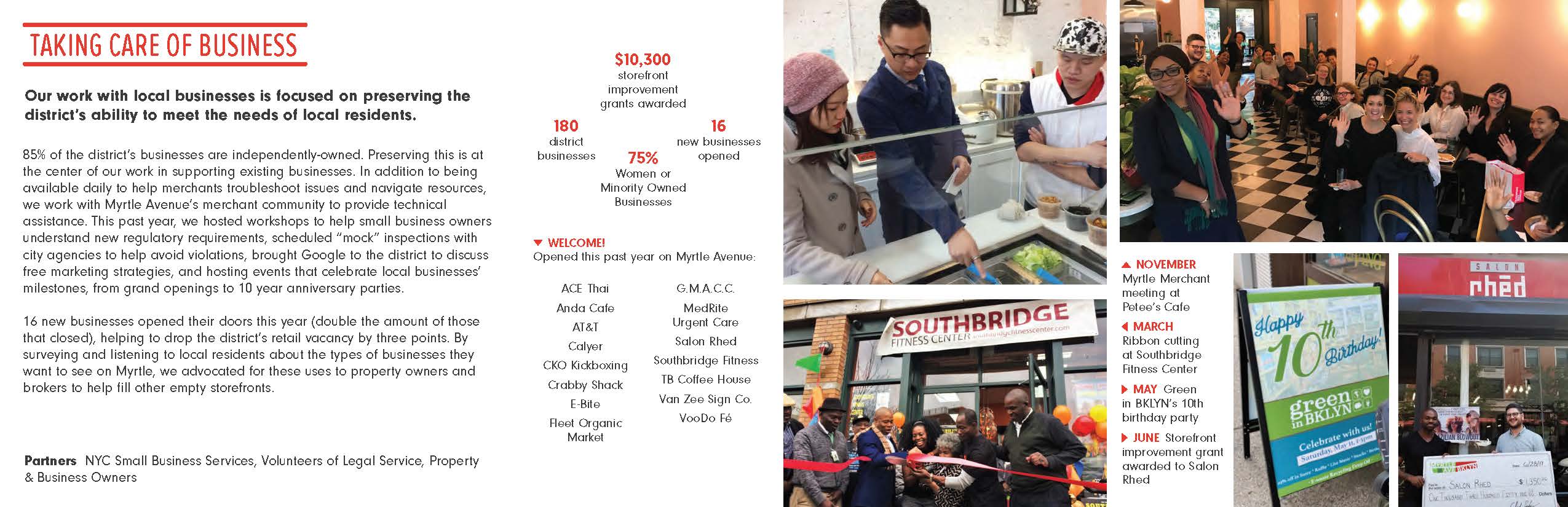
There’s a small building boom happening at the moment on – and right around – Myrtle Avenue in Fort Greene & Clinton Hill. Below is a round-up of seven new buildings that have been proposed or are under construction now.

If all are approved, these new buildings will bring 316 new housing units and 17,000 square feet of new commercial space to Myrtle Avenue. Three of the projects will include a collective total of 122 apartments that are either supportive family housing or “affordable,” income-based units.


PROPOSED BUILDINGS


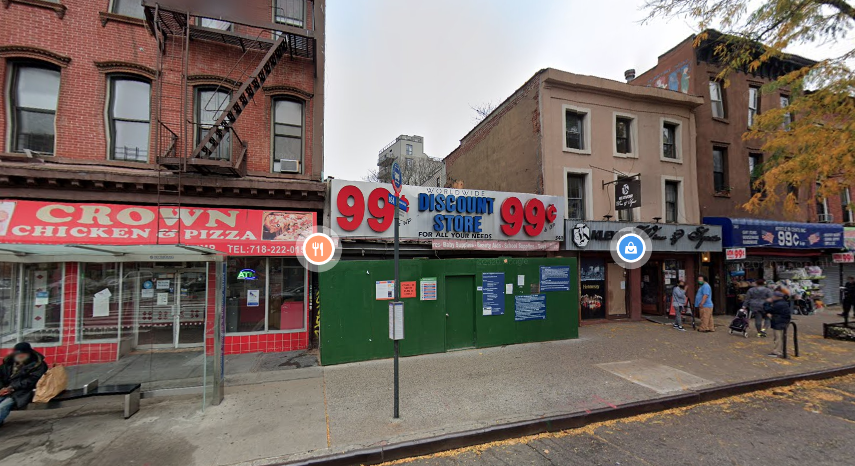
341 Myrtle Avenue


In March 2017, plans were filed for a new six-story building, which would include eight new apartments and a 2,000 square foot commercial space on the ground floor of this property that sits between Carlton & Adelphi. No plans have been announced on when construction in the now vacant lot will begin.


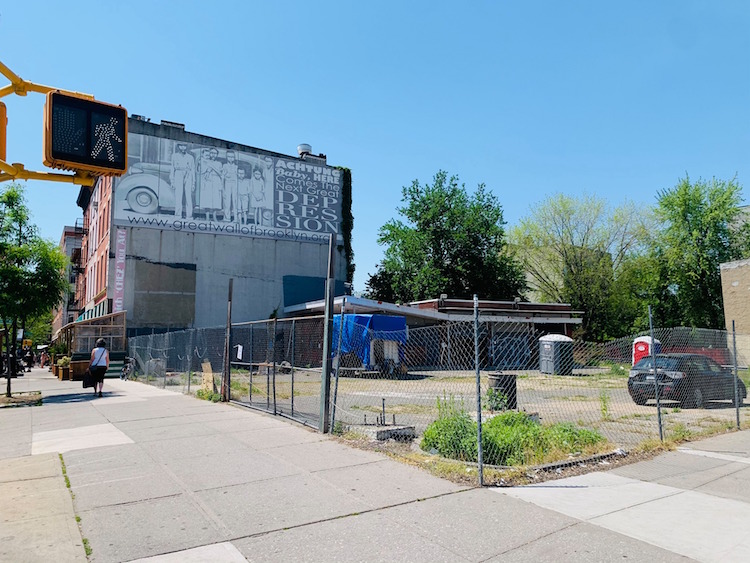
134 Vanderbilt Avenue (corner of Myrtle Ave)


Earlier this year, local property development firm Tankhouse purchased the long-vacant Fort Greene gas station and are designing new plans for the corner property. In 2015, plans for a new building were filed with the city to construct an eight-story building with 46 apartments and 8,000 square feet of commercial space on the ground floor. Plans and renderings for a new design have not yet been released.


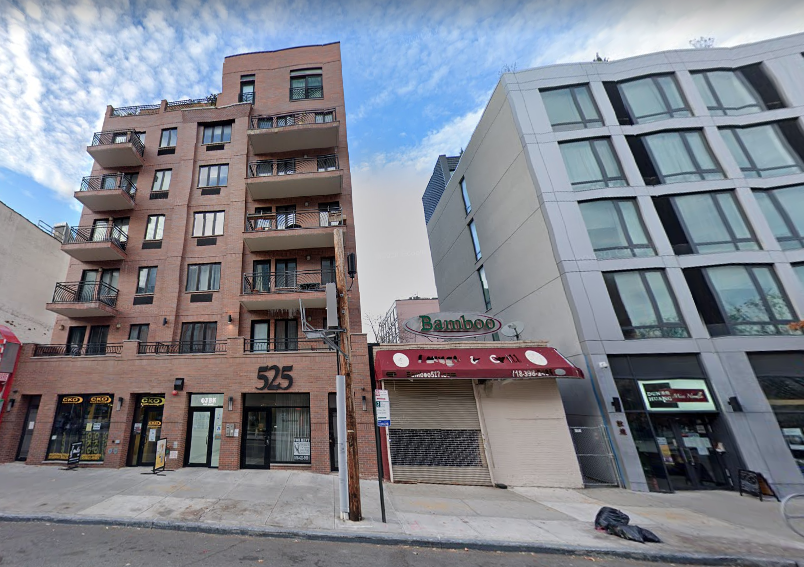
527 Myrtle Avenue


Last summer, plans were filed for a new seven-story building to replace the current one-story building that was last home to the Bamboo Lounge. The new building, between Grand & Steuben in Clinton Hill, is slated to have 12 new housing units and 2,100 square feet of commercial space on the ground floor. 


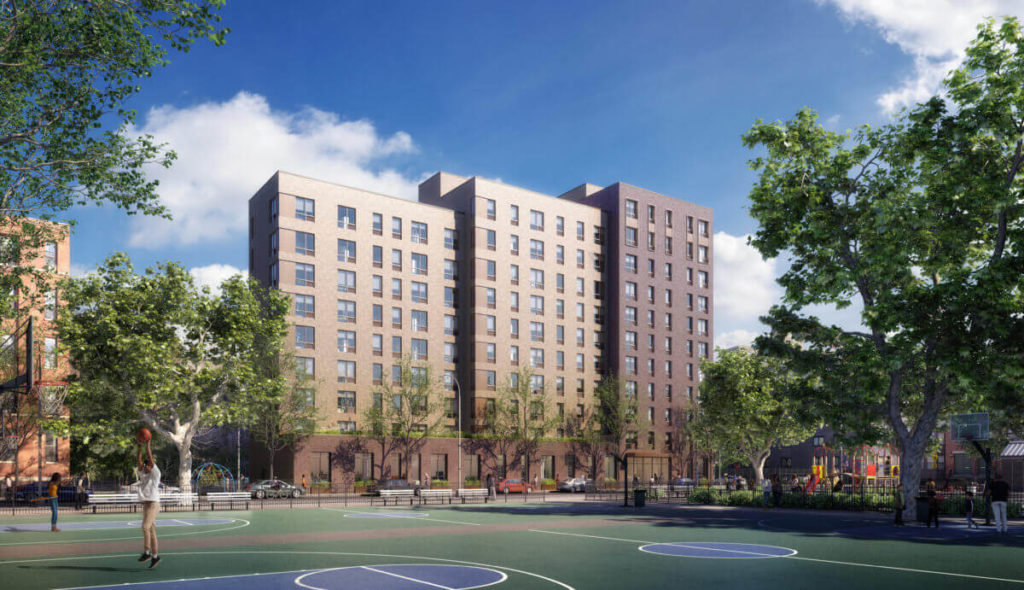
161 Emerson Pl


Source: Dattner Architects.

The non-profit Institute for Community Living (ICL), which has several supportive housing and shelters in Fort Greene and Clinton Hill, have proposed a new building which would allow them to expand their current family reunification residence, which has operated on Emerson Pl for over 20 years.

The new 11-story building would replace their existing four-story building on the site, and hold a total of 81 apartments. Forty-nine of these apartments would be set aside for supportive family housing, with the remaining 32 units as affordable housing, only available to those earning less than 57% of the area’s median income (for example, that’s $58,368 or less for a family of three).

The Myrtle Avenue Brooklyn Partnership has testified in favor of this development to Community Board 2’s Land Use Committee and the Board of Standards & Appeals (BSA), supporting the expansion of supportive and affordable housing in our community.


APPROVED OR IN CONSTRUCTION


493 Myrtle Avenue


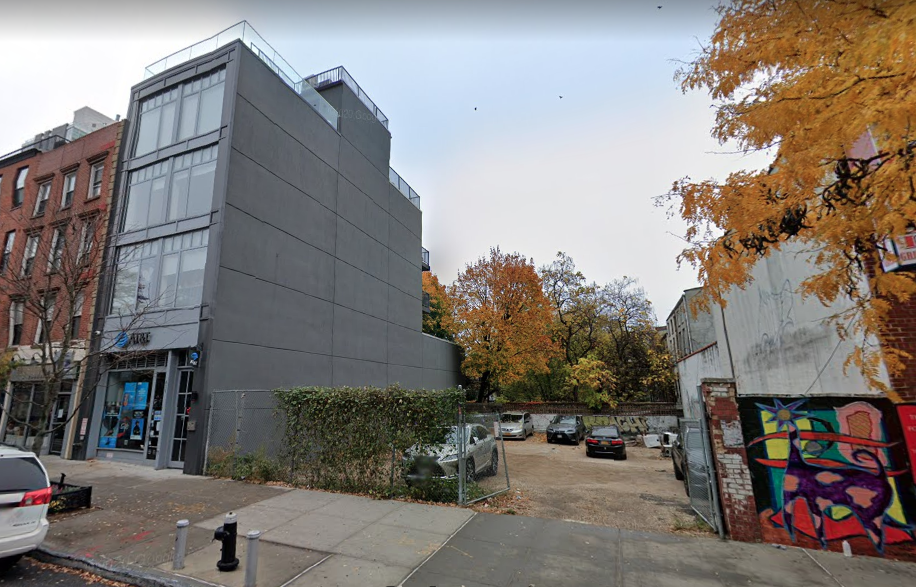
The decade-old vacant lot between Hall & Ryerson (which was the site of a building collapse in 2009) is slated to see a new eight-story mixed-use building, according to plans filed with the city last year. Construction is expected to begin soon for the 21-unit apartment building, which will also have 3,000 square feet of commercial space on the ground floor. According to filed plans, the building will include affordable housing units, but the exact number of apartments or pricing has not yet been released. 


501 Myrtle Avenue


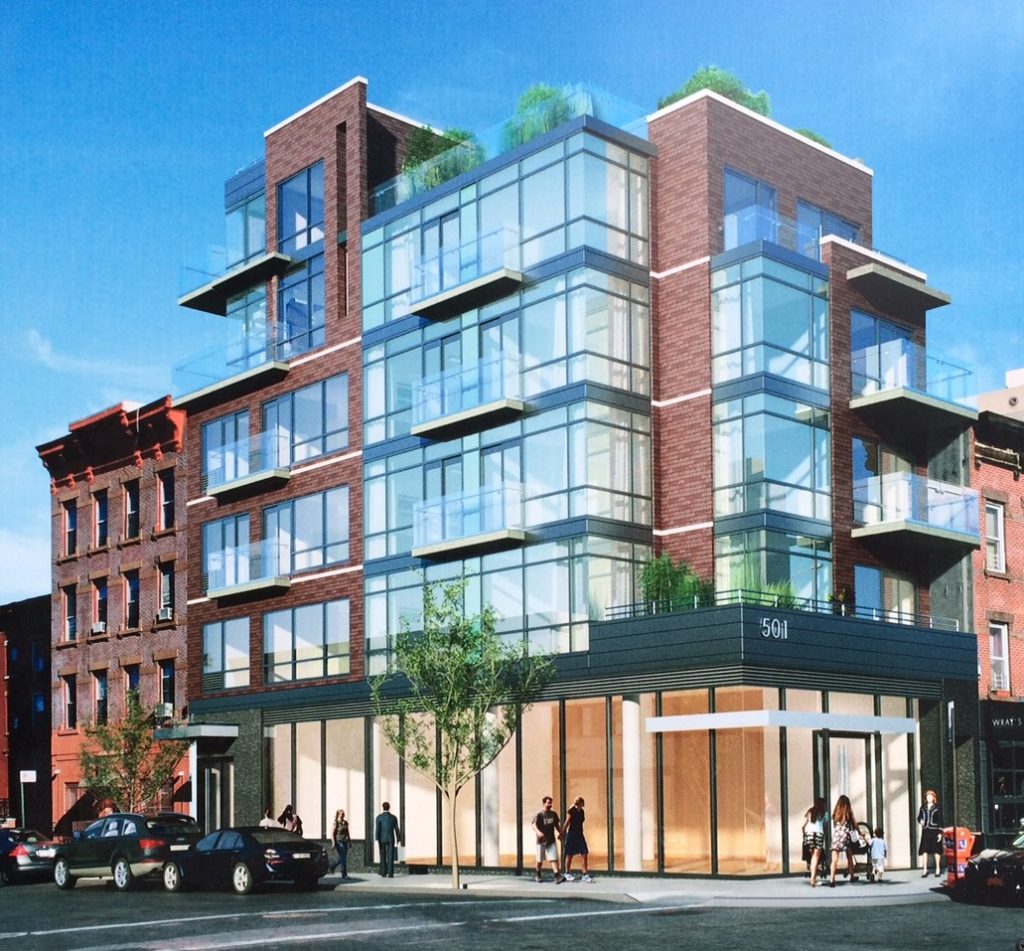
Construction is coming into the final stages for this corner property at Myrtle & Ryerson in Clinton Hill. The new seven-story building will have 10 new apartments and a 1,880 square foot commercial space on the ground floor.


249 Willoughby Avenue


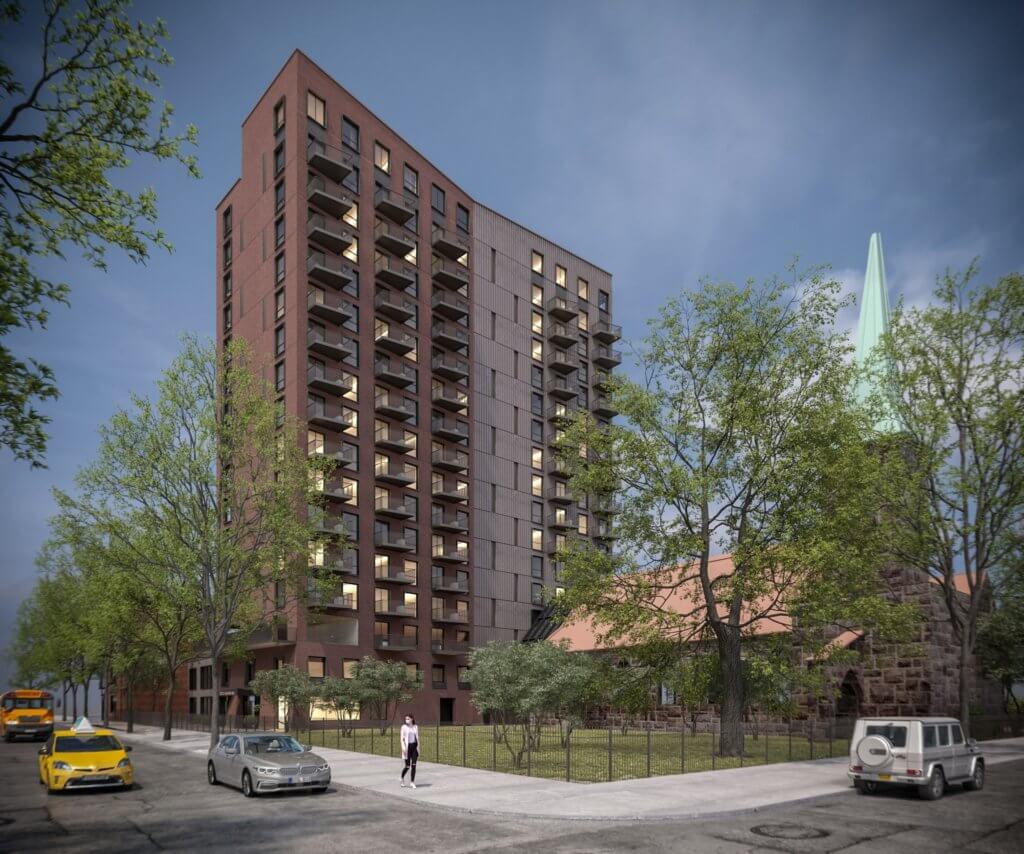
Source: DXA Studio

The St. Mary’s Episcopal Church campus at Classon & Willoughby will see a new 17-story tower rise at the back of their property, behind the 1858 landmarked church. According to new building plans filed in 2016, the new building will hold 138 apartments, all one- or two-bedrooms, with 30% of apartments set aside as “affordable,” according to developer Quinlan Development Group (Source: Brownstoner). Details on when the affordable housing lottery will open or the pricing of those units has not yet been released.


Want to get the latest local news? SIGN-UP for our Myrtle Avenue e-newsletter or follow us on Facebook or Instagram.

Myrtle Black History: Music in the Greene [Part 3]

Brooklyn’s Black Broadway

by Carl Hancock Rux

Theater has been a staple of live entertainment in America at least since early days just after this country proclaimed its independence at the close of the Revolutionary war. As early as 1866, the city’s center of theatrical activity was in Manhattan’s Union Square, before it moved thirty blocks or so uptown to what we know as Broadway today. Theaters did not arrive in the Times Square area until the early 1900s, and most came and went with alarming speed. Built mostly of wood and lit primarily by flaming gaslight, the theaters of the late 1800s were infamous firetraps.

Fire in a Crowded Theater

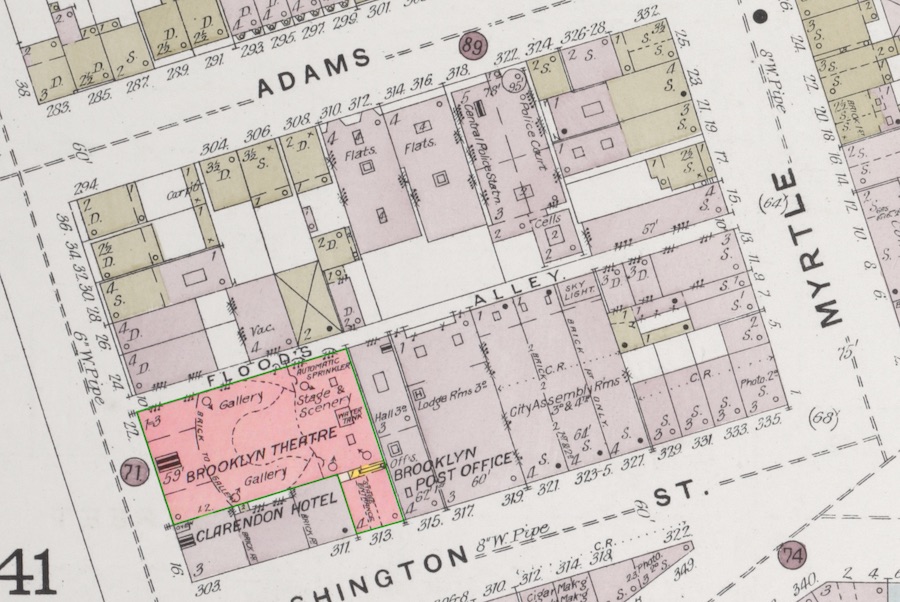
Such was the case on the evening of December 5, 1876, when a kerosene lamp set some scenery aflame during a sold-out holiday season performance at the Brooklyn Theatre near the corner of Washington and Johnson streets (current site of the Brooklyn Post Office at Cadman Plaza, built shortly thereafter). An estimated three hundred lives were lost, making it one of the deadliest disasters in Brooklyn history and prompting new fire laws. With the literal fires of the old gaslight days quelled, few could have anticipated another kind of fire to ignite the theatrical stage, nor could they have predicted the coming Jazz age of the 1920s and 30s; Brooklyn and African American performers to be at the center of it.

Damage after the tragic fire at the Brooklyn Theater in Downtown Brooklyn in 1876.

Map showing the former Brooklyn Theater off of Myrtle Avenue in Downtown Brooklyn.

A Thriving Theater District

Today the only remaining vestiges of Brooklyn’s viable theater district are the Brooklyn Academy of Music; the BAM Harvey Theater, and the former 4,000 seat Strand Theater, (repurposed and occupied by BRIC and  Urban Glass).

These early century Beaux-Arts theaters and Vaudeville houses represent only a handful of handsome theaters once scattered along Fulton Street and its nearby side streets, comprising downtown Brooklyn’s Theater district.

During the Victorian era, the city of Brooklyn had become home to approximately two million residents, with at least two hundred theaters, burlesque halls, vaudeville and opera houses to accommodate them. Several first rate theaters occupied the downtown Brooklyn area—among them, the Grand Opera House; the John W. Holmes Star theater; The New Montauk Theater; and the Columbia Theater (successor to the catastrophic Brooklyn Theater). It was not until 1908, when the first subway train was opened at Borough Hall, that the decline and fall of the Brooklyn Theater set in. Many were replaced by nickelodeons and motion picture houses or torn down to make way for the expansion of the main Brooklyn Post Office and office buildings, among them, Werba’s Brooklyn Theater on the busy intersection of Flatbush and Fulton; The Brooklyn Music Hall; William Bennett’s Casino; the Gotham Theatre; and the 1,741 seat RKO Orpheum Theater (Fulton and Rockwell Place), diagonally across from the Strand and the Majestic theaters.

A Place for Brooklyn Black Actors

Hooley’s Opera House on Court and Remsen, featured “minstrel shows” (white musically adept comedians in black-face, imitating African Americans), but this brand of burnt-cork, racist entertainment was eventually replaced by actual African American musicians, composers, dancers, and singers—many of the acts having completed successful runs on Broadway or aspiring to get to Broadway. Mamie Smith, African American vaudeville singer, dancer, pianist, and actress made history in 1920 when she became the first black female recording artist (pre-dating Ma Rainy and Bessie Smith). Ms. Smith and her Jazz Hounds performed regularly at the Putnam Theater on Fulton and Grand. First opened in 1885, the Putnam first opened as the Criterion, changing its name half a dozen times before it’s balcony would suffer from a balcony fire) was renovated and reopened in 1918 as a stock burlesque house before it was demolished in 1937.

Criterion Theatre

The famous African American comedy trio of WILLIAM & WALKER Co. (and Walker’s wife, Adah Overton White, a noted performer in her own right) appeared in their comedy/vaudeville musical, “Bandanna Land”, with a large a cast at the Grand Opera House in downtown Brooklyn, Brooklyn in 1908. Created by and featuring African Americans, “Bandanna Land”, was a large undertaking for Bert Williams, George Walker, and Ava Overton Walker. As a central figure on America’s vaudeville circuit, the comedy duo sang, danced and pantomimed, their act becoming a bold shift away from the traditional white black-faced entertainment that had dominated the era. The two men set up an agency, The Williams and Walker Company, to support African-American actors and other performers, create networking, and produce new works. One critic wrote for “Billboard Magazine” wrote:

“Williams and Walker have a vehicle which is making them popular… their eccentric style of character-drawing produced what is, no doubt, the highest type of negro achievement on the stage to-day. The company is made up of some clever people. In the first act there is a meeting of a corporation, which is so finished in every detail of costuming, grouping and by-play, that it is only after the fall of the curtain, that you realize how much has gone into its current presentment…If Belasco could get half the atmosphere into a production that Bandanna Land produces in such abundance, he would be rejoiced.”

Another critic in Variety magazine opined:

“‘Bandanna Land’ is a real artistic achievement, representing as it does a distinct advancement in Negro minstrelsy. Realizing, perhaps, that the white public is chronically disinclined to accept the stage negro in any but a purely comedy vein and having at the same time a natural desire to be something better than the conventional colored clown whose class mark is a razor and an ounce or two of cut glass, Williams and Walker have approached the delicate subject from a new side….’Bandanna Land’ has found substantial success at the Majestic Theatre, where it is now in its fourth week with an almost unbroken record of capacity business. No small part of the credit for this result is due to Will Marion Cook, who wrote the music, and to the splendid singing organization. The score is full of surprises, crisp little phrases that stick in the mind and are distinctly whistle-able, and several of the lyrics that go with them are excellently done.”

Actors and producers, Bert Williams & George Walker.

Moving on Up to Broadway

The New York Times proclaimed the musical comedy received a “response from the audience that was utterly deafening and had to be encored thirteen times.” Their musical moved to Broadway several months later, but sadly, it was the last show featuring the duo of Bert Williams and George Walker before Walker became ill and died in 1911, age 38. His widow, Ada Overton Walker, performing solo after the death of her husband, became known as “Queen of the Cakewalk”, and well known for her 1912 dance performance of “Salome”  (in response to the Salome craze that spread through the white vaudeville circuit) on Broadway at Hammerstein’s Victoria Theater. Bert Walker continued to perform across the country including on Broadway with the Ziegfeld Follies. Walker & Williams can certainly be credited with paving the way for many African American performing artist (though all three died impoverished before the age of 50) as African American artistic expression became acceptable to white audiences.

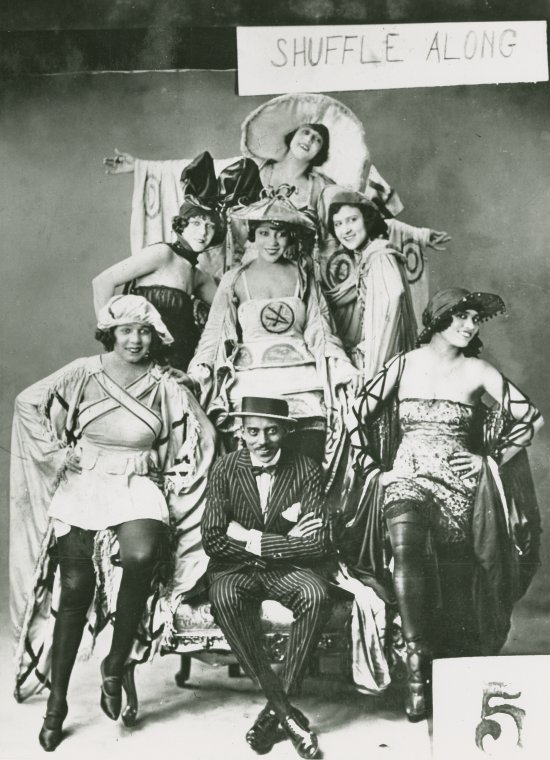
“Shuffle Along”, which opened on Broadway in 1921, was the first major production in more than a decade to be produced, written, performed and directed entirely by African Americans, thus restoring black artistry to the mainstream of the American theater. A daring synthesis of ragtime and operetta at the onset of the Prohibition era, it “Shuffle Along” gave entertainers such as Josephine Baker, Adelaide Hall and Paul Robeson, their first big breaks at stardom; and in the many copycat black musicals to follow, gave white entrepreneurs an opportunity to use the power of their purse, and assert the evils of racism. Whites audiences flocked to see the show, as did man y African Americans (perhaps accepting a little bowing and scraping was a small price to pay for the emergence of American black artistry). Even the noted African American poet Langston Hughes called “Shuffle Along”, “a honey of a show… swift, bright, funny, rollicking, and gay, with a dozen danceable, sing-able tunes.”

Noble Sissle and chorus in Shuffle Along in 1921.

Noble Sissle and Eubie Blake’s musical took Broadway by storm in 1921 — launching the careers of Josephine Baker, Adelaide Hall and Florence Mills, among others. After a three-month run on Broadway, the show came to downtown Brooklyn’s Montauk Theater (original cast and crew in tow, including famed trumpeter, Valid Snow) and remained, in one iteration or the other, well into the 1930s (one theater critic complained it was almost “impossible to get seats”)

Sissle and Blake followed “Shuffle Along” with “Shuffle Along of 1928” along with Sissle and Blake’s new all Black revue, “The Chocolate Dandies” at Werba’s Brooklyn Theater, and in 1932, opened yet another version of the production at The Majestic Theater, starring a young Lena Horne, and all the while, maintaining a 75 member cast plus orchestra.

One of the most notable imitations to follow Sissle and Blake’s hit was “Runnin’ Wild”, book and lyrics by Flournoy E. Miller and Aubrey L. Lyles (a comedy duo who had performed in “Shuffle Along”) as well as Fats Waller, with musical accompaniment by George Gershwin, James P. Johnson. Johnson, an African American pianist and composer and pioneer of stride piano, was one of the most important pianists in the early era of recording, one of the key figures in the evolution of ragtime into what was eventually come to be known as “jazz” music. A major influence on artists such as Count Basie, Duke Ellington, Art Tatum and Fats Waller (who was also his student) the musical was noted for its syncopated upbeat ebullience.

Broadway Back to Brooklyn

After a successful 224-night run on Broadway (and a brief run in Chicago),“Runnin’ Wild” came to “Werba’s Brooklyn Theater” in 1924.  Scheduled for a single night’s performance, the sold out musical ran at Werba’s on Flatbush and Fulton four weeks. One critic wrote the show was “one of the brightest and funniest Ethiopian musical shows brought to the borough!”

Werba's Brooklyn Theatre

Werba’s Triangle Theater, seen in 1915 at the corner of Flatbush and Fulton.

One of its dance numbers in particular, roused Brooklyn audiences to their feet as they literally attempted to join in. The dance number was of course, “The Charleston.” Soon, not only Brooklyn, but the world, joined in the music and choreography of celebratory Jazz Age, with African American musicals emphasizing the era’s social, artistic, and cultural dynamism. Ironically, in Sept. of 1928, the play “Porgy” (later to be adapted into the famous Gershwin musical “Porgy and Bess”) played for a week at Werba’s. Perhaps…just perhaps, Gershwin, who had been one of the few one members of the “Runnin’ Wild” collaborative team, got the idea to set “Porgy” to music while playing with “Runnin’ Wild”: Brooklyn’s Black Broadway.


Read more stories about local Black history in Fort Greene, by guest contributor Carl Hancock Rux, by clicking here.

Myrtle Black History: Music in the Greene [Part 2]

A Home for Jazz in Fort Greene

by Carl Hancock Rux
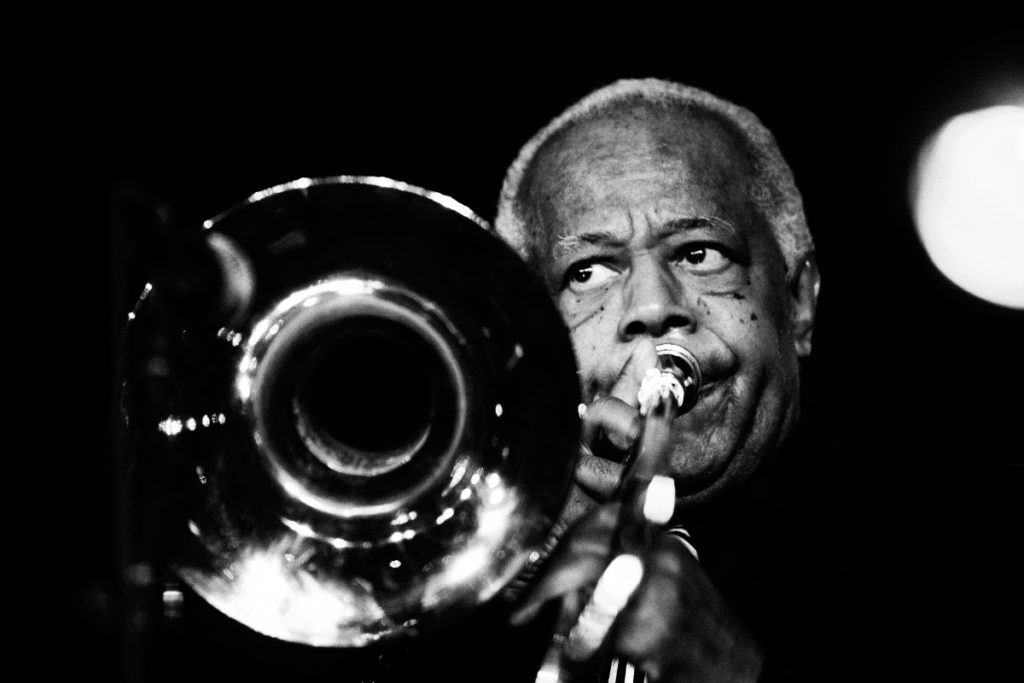
Fort Greene Jazz trombonist Slide Hampton. Image source: duna.cl

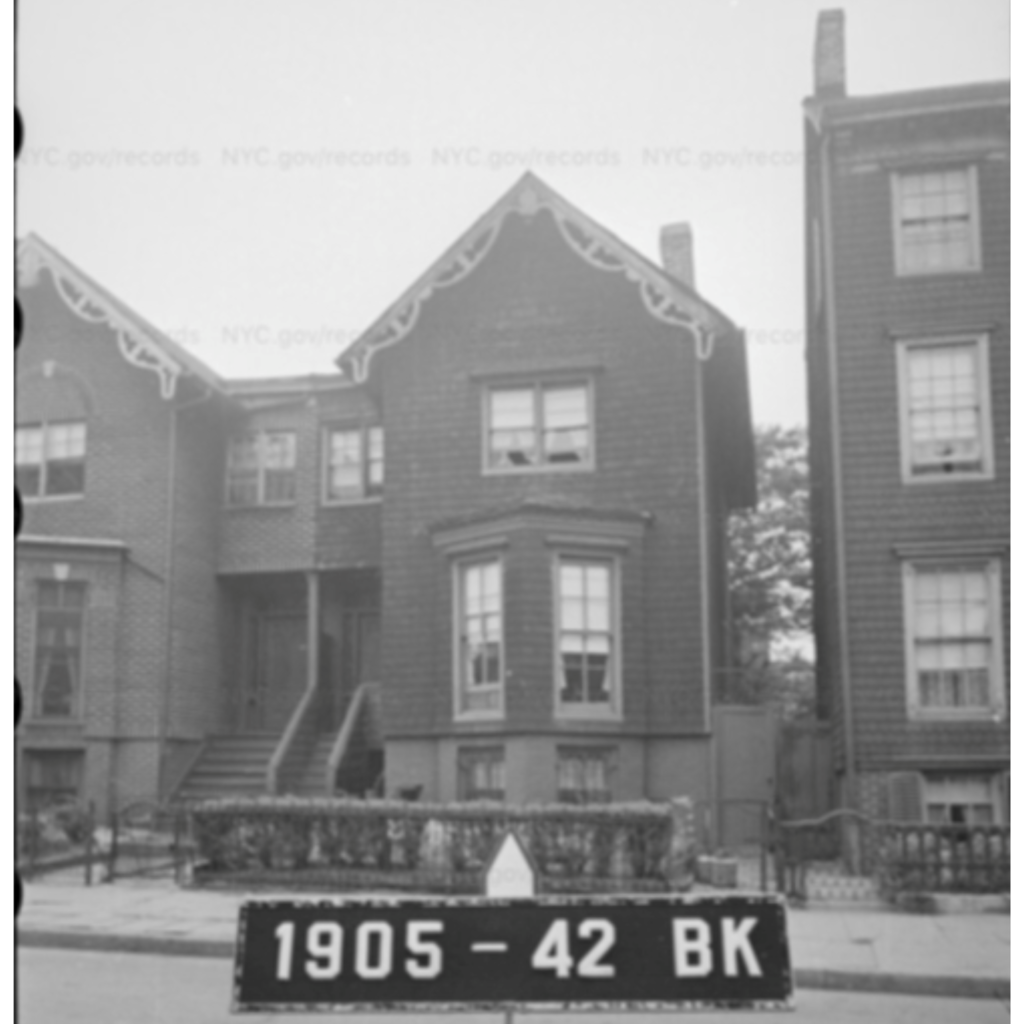
If you happen to walk anywhere within the vicinity of 245 Carlton Avenue in Fort Greene, you might hear the booming contemporary sounds of a live modern rock band, or you might hear the distant faraway complex harmonies and syncopated rhythms of a group of classic jazz musicians. The live rock music will most likely come from the teenager who lives there at present, rehearsing with his friends, to become the next great band. The jazz music, however, might actually be the result of your highly tuned auditory perception, delivering your inner ear to a musical inversion when actual jazz musicians routinely held jam sessions in that brownstone’s smoky rooms; taking the frenetic sounds of post-war be-bop and expanding them toward a modal approach reliant upon a tonal center of improvised chords.  Pay close attention. You might actually be listening to Grammy Award winner Locksley Wellington Hampton (better known as “Slide Hampton”), Eric Dolphy, Freddie Hubbard, and Wes Montgomery—some of the most influential and groundbreaking jazz musicians of the 20th century who actually lived there from the late 1950s to the late 1960s. 

SLIDE HAMPTON

Slide Hampton‘s distinguished career spans decades in the evolution of jazz. At the age of 12 he was already touring the Midwest with the Indianapolis-based Hampton Band, led by his father and comprising other members of his musical family. By 1952, at the age of 20, he was performing at Carnegie Hall with the Lionel Hampton Band. He then joined Maynard Ferguson’s band, playing trombone and providing exciting charts on such popular tunes as “The Fugue,” “Three Little Foxes,” and “Slide’s Derangement.” As his reputation grew, he soon began working with bands led by Art Blakey, Dizzy Gillespie, Barry Harris, Thad Jones, Mel Lewis, and Max Roach, again contributing both original compositions and arrangements. In 1959, Hampton and his wife, Althea, purchased 245 Carlton for $6,900.  Less than three years after settling down there, Hampton formed the Slide Hampton Octet, which included stellar horn players Booker Little, Freddie Hubbard, and George Coleman. The band toured the U.S. and Europe and recorded on several labels. 

From 1964 to 1967, he served as music director for various orchestras and artists. Then, following a 1968 tour with Woody Herman, he elected to stay in Europe, performing with other expatriates such as Benny Bailey, Kenny Clarke, Kenny Drew, Art Farmer, and Dexter Gordon. Upon returning to the U.S. in 1977, he began a series of master classes at Harvard, the University of Massachusetts at Amherst, De Paul University in Chicago, and Indiana University. During this period he formed the illustrious World of Trombones: an ensemble of nine trombones and a rhythm section.  In 1998, Hampton received the Grammy Award for Best Jazz Arrangement with a Vocalist. 

The 1990’s were spent doing an enormous volume of work. He continued to develop the Slide Hampton Quartet and Quintet, toured the world with the Dizzy Gillespie Alumni All-Stars, was a special advisor and arranger for the Carnegie Hall Jazz Band and arranged numerous recording projects around the world. 

“(John Coltrane) used to come there all the time.” Hampton once told a reporter, “And Wayne Shorter used to live there. We had 13, 14 rooms in the house, right in Fort Greene [Brooklyn], right around the corner from Spike Lee’s father, [bassist] Bill Lee,”, continuing “a lot of musicians lived in that area. There were jam sessions and people practicing and rehearsing for years.” 

Though Hampton and his wife would not sell 243 Carlton until 1985  (for $127,000) his countless collaborations over the years with the most prominent musicians of jazz afforded him a space where he could offer inexpensive rooms and impromptu rehearsal spaces for many of his jazz musician friends.

“245 Carlton Avenue–Eric Dolphy recorded a song on one of his albums called “245” , Hampton reminisced, “Robin [Eubanks, the acclaimed jazz fusion trombonist who would work with everyone from Sun Ra to Stevie Wonder to Art Blakey and the Jazz Messengers] used to live there, and his brother, Kevin [jazz fusion guitarist and composer; leader of The Tonight Show band with host Jay Leno and the short lived Jay Leno show] they both lived there.”

A HOME FOR JAZZ

In the mid to late 1960’s, newspapers routinely wrote about the Fort Greene/Clinton Hill as “the slums”; the area that had long forgotten its halcyon days of the Brooklyn Dodgers, candy stores, delicatessens, dairy cafeterias and trolleys where white working class “ethnics” once occupied its spacious brownstones. Boarded up, burning down, ripped open for African Americans, Hispanics and Asians, the community slipped into dismal decay. Several hundred thousand manufacturing jobs, and even more had left the area with the closing the of the Navy Yard, and Marianne Moore, famous 20th century modernist poet who had won every prize imaginable to man, had packed up her tricorn hat and long black cape, moving out of Cumberland Avenue apartment building (where she once entertained the likes of Gertrude Stein, Alice B. Toklas, Carl Van Vechten, E.E. Cummings, Ted Hughes, Sylvia Plath, Donald Hall, and Elizabeth Bishop) and returned to Greenwich Village. 

Hardly newsworthy was the fact that Brooklyn’s downtown area was also becoming a well-known neighborhood where many jazz musicians began to live, including Grammy Award winning epicenter of ever given to the dingy if not cool jazz era of Fort Greene and Clinton Hill, where Grammy award winning jazz musician, Locksley Wellington Hampton, better known as Slide Hampton, lived at 245 Carlton Avenue between DeKalb and Willoughby. Hampton’s late night jazz sessions became so famous, Eric Dolphy titled an original tune—“245”– on his 1960 album “Outward Bound”. The area was once so renown for its resident jazz artists, musician Don Cherry titled his 1960 album, “Where Is Brooklyn?” 
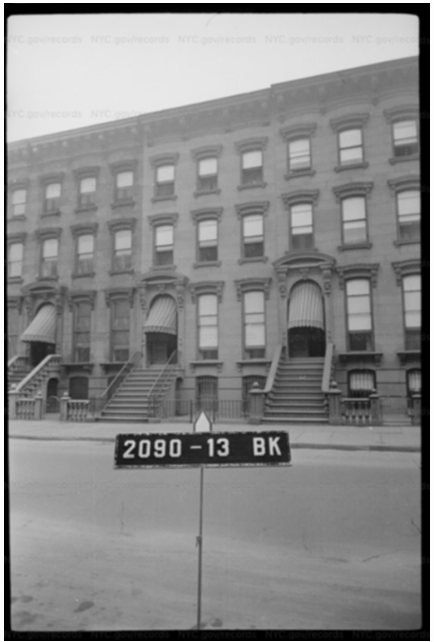
245 Carlton Ave, as seen in 1940. Credit: NYC Archives.

According to “Brooklyn Buzz, the house Hampton owned “between the 1950s and 1970s… remained a center of jazz activity and innovation.” Three of the genre’s biggest names—Eric Dolphy, Freddie Hubbard and Wes Montgomery—even created and lived together in its communal household. Slide says he had a big room in the basement, where he hosted jazz sessions. “And everybody came to those jam sessions,” he said. ” Gerry Mulligan and Bill Lee. A lot of musicians came because they always took any opportunity they could to come to a jazz session. That was very important at the time. ”The house has witnessed a backstage thread in jazz history that few know about. Jam sessions and non-stop talks about music influenced musicians that would expand the boundaries of each of their instruments.“ Slide was always very supportive of younger players like myself and very generous with tips on how to deal with the trombone,” said Jerry Tilitz, a trombonist, composer and vocalist originally from Brooklyn but presently residing in Hamburg, Germany“ It was a house full of musical inspiration,” said Hampton. “We were all composing music in some way. There was inspiration all over the place towards music and composition. Hampton, 89, an African-American trombonist whose career spans decades in the history of jazz,  and brought him worldwide recognition, represents the influence of a definitive chapter of contemporary jazz and improvised music; a chapter dominated by bebop, a form of improvisation that emerged in the late 1940s led by Charlie Parker and Dizzy Gillespie. 

BUILDING A MUSIC COMMUNITY

Hampton wasn’t the only jazz musician to have once lived in the area. The late Betty Carter, a Grammy award winning Jazz singer known for her improvisational technique, scatting and other complex musical abilities, vocal talent, and imaginative interpretation of lyrics and melodies, once owned 117 Saint Felix Street, where she lived from 1972 until her death in 1998. from 1984  until his death in 2018, Cecil Taylor, American avant-garde jazz musician and pioneer of free jazz, owned the house at 135 Fort Greene Place; and Lester Bowie, jazz trumpeter, composer; member of the Association for the Advancement of Creative Musicians and co-founder of the Art Ensemble of Chicago, and inductee into the Down Beat Jazz Hall of Fame, lived at 204 Washington where he died in 1999.  For decades 135 Fort Greene Place was the home of renowned avant-garde jazz pianist Cecil Taylor and  lived there until his death in 2018 at the age of 89. The Fort Greene, Clinton Hill area has also, at one time or another, been home to other great jazz musicians, including Max Roach, Randy Weston, Wynton and Branford Marsalis, Gary Bartz, Bill Lee, and contemporary jazz singers such as Carla Cook.  
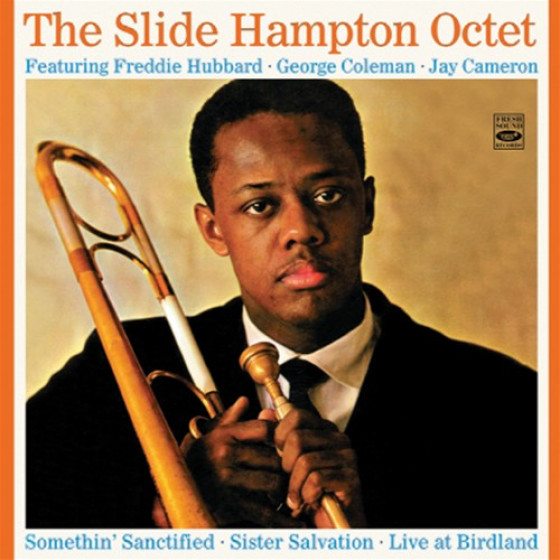
Slide Hampton 1961 album cover. Credit: Freshsoundrecords.com

Long before winning two Grammy Awards and the prestigious National Endowment for the Arts’ Jazz Masters Award, Hampton bought 245. The house, built in 1899, served as a harbor for a select group of jazz legends that at some point inhabited or visited this classic Fort Greene brownstone, where jazz sessions were routinely held.  ”Everybody came to those jam sessions,” Mr. Hampton told an interviewer, ‘Gerry Mulligan and Bill Lee. A lot of musicians came because they always took any opportunity they could to come to a jazz session. That was very important at the time.” “Slide was always very supportive of younger players like myself and very generous with tips on how to deal with the trombone,” said Jerry Tilitz, a trombonist, composer and vocalist originally from Brooklyn but presently residing in Hamburg, Germany. In fact, there was a time when the Fort Greene , Clinton Hill area not only had famous jazz musician residents, but a number of legal and illegal jazz nightclubs as well. According to photographer, Jimmy Morton Sr., these all night haunts included “Tony’s”, a once favorite hang out spot where Max Roach, Miles Davis, Gig Gryce and Charles Mingus often played together. “Although [Monk] was playing at Tony’s, [Tony’s] could not advertise [Monk].”, Morton told a large crowd at the Weeksville Heritage Center, because he “didn’t have a cabaret license.:” 

THE BAND PLAYED ON

From 1940 to 1967, the New York Police Department issued regulations requiring musicians and other employees in cabarets to obtain a New York City Cabaret Card, and musicians such as Chet BakerCharlie ParkerThelonious Monk, and Billie Holiday had their right to perform suspended at various nightclubs; a law that disproportionately affected the careers of many African American jazz musicians. Club owners were not allowed to advertise the appearance of artists without a license, and artists without a license were not allowed to perform in clubs where alcohol was served. Many black jazz musicians either toured Europe, or performed in underground clubs, in order to eke out a living, and survive on meager donations. Others used lofts, and other private homes in order to hold “word of mouth” parties where they could perform and earn a wage. Artists who performed at Tony’s on Grand Avenue & Dean St., included Etta Jones, Carmen McRae, and Arthur Taylor. Morton described the audience as “mostly local Brooklynites (and die-hard jazz) fans from France (as well as) American celebrities such as the famous gossip columnist, Dorthy Kilgallen. 

Tony’s may have opened in the post war-period around 1952 and remained until 1955. Slide Hampton  purchased his home around 1959, and moved on from the  “Jazz House” at 245 Carlton Avenue in the early 1970’s. What can never be forgotten, however, is that post-WWII Fort Greene/ Clinton Hill (and its environs) is made up of more than the departure of a celebrated poet fleeing its  “slum” history; it was also home to some of the greatest jazz musicians in music history. Listen closely. You might just hear them playing, “Don Cherry’s “Where’s Brooklyn?” or, Slide Hampton and his housemates, Freddie Hubbard, Eric Dolphy and Wes Montgomery joined by Jackie Byard, George Tucker, and  Roy Hynes, playing Dolphy’s “245” with bursts of incendiary genius seemingly conjured out of nowhere: that music always round you, unceasing, unbeginning, ascending buoyantly through the best of times, the worse of times and times yet to come.


Read more stories about local Black history in Fort Greene, by guest contributor Carl Hancock Rux, by clicking here.
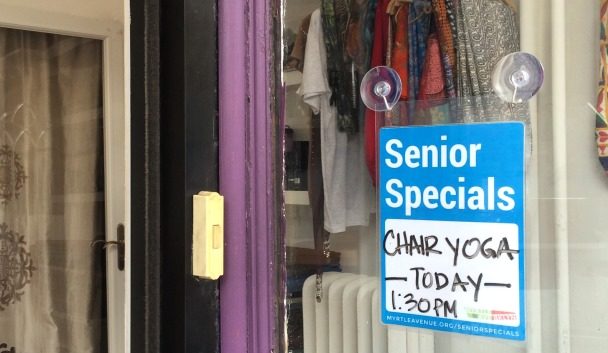
Myrtle Black History: Music in the Greene [Part 1]

Doo Wop: Black (Music) In the Greene – Part 1

by Carl Hancock-Rux

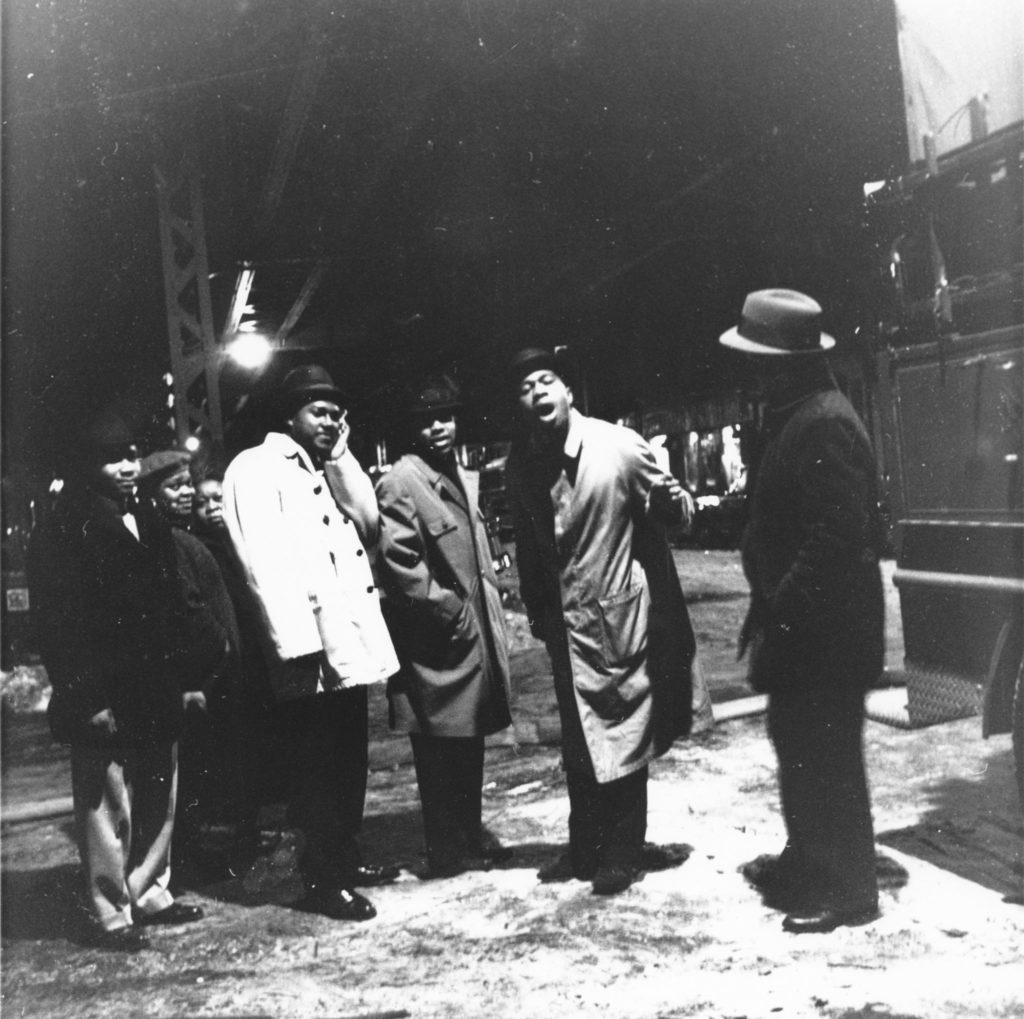
In her memoir, African American activist and former Black Panther party member, Assata Shakur, recalls a Brooklyn night in the early 1960s when she attended a party hosted by the warlords of the Fort Greene Chaplins, a black gang that once ruled the Walt Whitman & Raymond Ingersoll Houses (originally known as the Fort Greene Projects), once described in the New York Times as a place where “nowhere this side of Moscow are you likely to find public housing so closely duplicating the squalor it was designed to supplant.” In those days (roughly the post-war era of the 1950s and early 1960s) it was typical to read in the tabloids that a youth had been “stabbed near the Navy Yard” or “stomped to death in an argument over a dime”. Gangs with sinister noms-de-guerre like the Chaplains, the Mau-Maus and the Fort Greene Stompers blinded each other with a mixture of Red Devil lye and Pepsi-Cola and hurled each other from rooftops.
Still, Shakur recalls her evening of eating French fries, drinking Thunderbird and wine, smoking cigarettes in the hallway and dancing the night away, as “romantic”. “The music was playing and the lights were down low…” she writes, “and I was feeling gooooooood.” In other words, Fort Greene may have been bleak but it was also bliss; a place for style and street cred. Birds (a late 1950s early 1960s  slang word for teenaged girls) wore mile high bouffant hairdos, jet black eyeliner, and tiny stacked cuban-heeled Voodoo shoes and hep cats (a slang word for teenaged boys) bopped in tight-crotch pants and stocking caps pressed down over close cropped waves. In an era of economic strain and unrest, the times were tough and the area was tougher. Brooklyn was also THE destination for great black music. All kinds of music.

DOO WOP, ROCK ‘N ROLL, MOTOWN & MORE

The Fort Greene Housing Projects would give birth to doo-wop singer Little Anthony Gourdine (of Little Anthony and the Imperials), rapper Dana Dane, MCs Just-Ice and ODB, R&B singer/songwriter Lisa Fischer and Grammy-award winning gospel music artist Hezekiah Walker and many others. Fort Greene, Clinton Hill and downtown Brooklyn, had established itself as a destination for great Black music long before that. 

During the height of the jazz age, in 1928, the Brooklyn Paramount Theater opened its doors at the corner of Flatbush and DeKalb avenues, boasting a a 2,000 pipe, 257 stops Wurlitzer organ (second only in size to the behemoth at Radio City Music Hall). The ornate rococo interior designed theater was a magnificent 4,124 seat movie palace. Well into 1960s, the theater (and surrounding area) remained a destination for great live music, introducing Brooklyn to rock n- roll. 

In the 1950s, radio DJ Alan Freed’s rock-n-roll shows played at the theater, with acts including Chuck Berry and Fats Domino (later, after concern over teenage rioting, the shows were moved to the Brooklyn Fox Theater, on Flatbush and Nevins. At the height of the rock n’ roll era, artists including Chuck Berry, Fats Domino, the Ronettes, Ben E. King, Smokey Robinson & the Miracles, Marvin Gaye, the Temptations, the Four Tops, Mary Wells, Dionne Warwick, Patti Labelle & the Bluebelles, the Spinners, the O’Jays, the Marvelettes, Chubby Checker, the Shirelles, Jackie Wilson, Johnny Mathis, Etta James, the Isley Brothers, Bo Diddley and the Flamingos all played either the Fox or the Paramount. 

When Alan Freed fell victim to the payola scandal of the 1960s, TV host Clay Cole continued his ten-day holiday show tradition, in 1964 featuring a Motown revue with Marvin Gaye, the Miracles, the Marvelettes, Stevie Wonder, the Temptations and the Supremes, breaking all existing attendance records. Cole would also present other acts at the Fox, including, Ray Charles, Bo Diddley, and Little Anthony & The Imperials. 

SHOWTIME AT THE PARAMOUNT

According to anthropology professor Michael Hittman, “there were five shows a day noon through midnight” at the Brooklyn Paramount, each show preceded by a B movie. Rock musician/songwriter Peter Sando recalls the shows “would run for ten days” with line forming half around the block as early as 3:30 a.m. Mounted police were called in and barricades erected to the teenagers to the sidewalks. Hittman writes, “It was a strange scene in the twilight, all these kids, black, white, Hispanic, all with a common thread binding them together,  the Music! And everybody was there–all the Rock and Roll stars–sometimes over 20 acts in a show! All for $2.50… every act came out and did their two or three best hits and went right off leaving the crowd dying for more.”

With the erection of more modern concert stages, elaborate dinosaurs like the Paramount and the Fox Theater were simply outmoded. The Paramount was shuttered in 1960 and converted two years later into its current use as a gymnasium for Long Island University’s Brooklyn Campus (the world famous organ and some of the original rococo arches remain). On Thursday, February 3, 1968, the $8 Million Fox Theater went dark and its imminent demolition followed soon after. Nevertheless, in the post-Vietnam war era, Fort Greene and Clinton Hill would soon rise again as a destination for great Black music.


Read more stories about local Black history in Fort Greene, by guest contributor Carl Hancock Rux, by clicking here.

Myrtle Black History Spotlight: DR. Susan McKinney

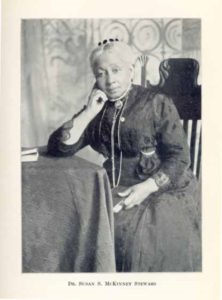
MARRIED TO MEDICINE: THE LEGACY of DR. SUSAN SMITH McKINNEY STEWARD
by Carl Hancock Rux

Harlem Renaissance writer and anthropologist, Zora Neale Hurston once famously wrote, “Research is formalized curiosity. It is poking and prying with a purpose. It is a seeking that he who wishes may know the cosmic secrets of the world and they that dwell therein.”

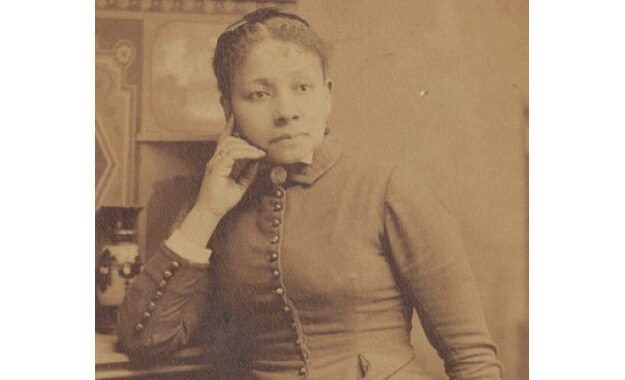
Perhaps no one knew that better than 74 year old William McKinney, a retired schoolteacher, who having spent 10 years of his life working tirelessly to gain some recognition for his grandmother to be honored as Brooklyn’s first black woman physician. Susan Maria Smith McKinney Steward (March 1847 – March 17, 1918) was an American physician and author. She was the third African-American woman to earn a medical degree, and the first in New York State.[1]

A MEDICAL PRACTICE GROWS IN BROOKLYN
McKinney-Steward’s medical career focused on prenatal care and childhood disease. From 1870 to 1895, she ran her own practice in Brooklyn and co-founded the Brooklyn Women’s Homeopathic Hospital and Dispensary.[2] She sat on the board and practiced medicine at the Brooklyn Home for Aged Colored People. From 1906 she worked as college physician at the African Methodist Episcopal Church’s Wilberforce University in Ohio. In 1911 she attended the Universal Race Congress in New York, where she delivered a paper entitled “Colored American Women”. A retired schoolteacher and resident of St. Albans Queens, Mr. McKinney no doubt was aware that his grandmother served as a physician in Brooklyn for 26 years, starting in 1870. From 1964-1974, 74-year-old William McKinney’s research into Dr. McKinney’s career took him to the records of the Long Island Historical Society and the Medical Society of the County of Kings. He also found references to Dr. McKinney in Stiles’ History of Kings County, in the Medical and Surgical Register of the United States of 1890, and in Brooklyn directories from 1871 to 1896. He then began a campaign to honor his grandmother, sending letters to both the central office of the Board of Education and local school board.

Dr. McKinney was the daughter of Sylvanus Smith, a prominent Brooklyn pork merchant and abolitionist who engaged himself in spearheading Brooklyn’s anti–slavery movement which began in the neighborhoods we now call DUMBO and Vinegar Hill. At the end of the American Revolution, this was the town of Brooklyn. It was one of six agricultural towns in Kings County until it was incorporated as the city of Brooklyn in 1834. From 1810 onwards, this area was home to a self– determined free black community. The community built independent institutions to meet, study, pray, and combat the widespread racism around them. They established a powerful anti–slavery agenda for future generations of activists. In 1838 eleven years after New York finally abolished slavery.  Sylvanus Smith and other African Americans, including Peter and Benjamin Croger, William Wilson, James Pennington, James and Elizabeth Gloucester, and William and Willis Hodges, lived in the communities of Williamsburg, Fort Greene, and Cobble Hill. They gave up their urban existence to create a small middle-class farming community which they called Weeksville (named after James Weeks, an African American settler from Virginia who was the earliest landowning resident in the area.) Farming was only part of the motivation for the Weeksville settlement. By purchasing land, the families ensured that they met the $250 property requirement for voting established by the 1821 New York State Legislature solely for black males in the state. 

Weeksville is now part of Bedford-Stuyvesant, and the Weeksville farm of Sylvanus and Ann Springstead Smith was at the corner of what is now Fulton Street and Buffalo Avenue. Smith was also committed to African American educational achievement as a means to improve the community’s social status. He sat on the board of trustees for the African American Free School of Brooklyn, also known as Colored School No. 1. The school was founded on November 2, 1787, and subsequently opened in 1795. Its mission was to provide education to children of slaves and free people of color. Its leaders also advocated the full abolition of African slavery.  Sylvanus Smith and his wife Ann Springstead Smith had seven children.

Brooklyn's Dr. Susan Smith McKinney Steward | Brownstoner

A FAMILY LEGACY

Two of their daughters, Susan Smith McKinney-Steward and Sarah Smith Thompson Garnet, later became prominent citizens in their own right. The Smiths instilled the value of education and social activism in both their daughters. Smith’s social status allowed his children access to a quality education. Susan and Sarah were both educated in the classics and music.

Susan Smith was born in 1847 in what was then known as Crow Hill, Brooklyn (today as Crown Heights), arguably named so because the area was once the site of a small outpost of shanties and piggeries known as Crow Hill.

It’s main landmark: the imposing Brooklyn Penitentiary, sometimes called the Crow Hill Penitentiary, which stood on Carroll Street between Nostrand and Rogers Avenues from 1846 until 1906. An 1877 Brooklyn Eagle article states, “The name Crow Hill was derived from the fact that in the trees which are scattered over this ridge, crows, who preyed on the neighboring farmers, found a retreat. ”Other sources say the penitentiary inmates were also referred to as crows. Then there’s a third explanation: most historians agree that the name Crow Hill was coined in derogatory reference to the black community of Carrville and Weeksville, whose residents were sometimes known as “crows.”

OFF TO COLLEGE

She was was the first African American woman to be admitted to the New York Medical College for Women in 1867, having paid for her tuition out of her own savings) and earned her M.D. in 1870, a student under Dr. Clemence Sophia Harned Lozier, (December 11, 1813 — April 26, 1888) an American physician who founded the New York Medical College and Hospital for Women; noted feminist and activist, and president of the New York City Suffrage League and the National Women’s Suffrage Association. It would have been no accident that Dr. McKinney Steward would become the third African-American woman to earn a medical degree, and the first in New York state under Dr. Lozier.

Dr. Lozier, taught hygiene and anatomy which she learned from her older physician brother. He also helped guide her interest in medicine into her late thirties. She was one of the first teachers in the city to introduce the study of Psychology, Hygiene and Anatomy as branches of the female education. [5At the time, these topics were not included in women’s education, and her classes quickly expanded. Among other topics, she educated women on the physiological consequences of fashion, like the deformities and breathing problems caused by corsets. She continued to teach these classes until 1843, and soon after, moved to New York and continued giving lectures and visiting the sick. Her first husband died in 1837, and she later remarried to John Baker in New York. After her husband’s death in 1837, Lozier continued with her medical training which she desired to devote herselfLozier attended Plainfield Academy and learned about medicine from her mother and brother as well as from caring for her ill husband.[6] She wished to attend medical school, but women were not accepted at the time, so her brother continued to tutor her. [She continued to apply to medical schools and experienced a lot of rejection, even from Geneva Medical College, which was attended by Elizabeth Blackwell, the first woman in the U.S. to achieve a medical degree in 1849. Eventually, she was allowed to attend classes at Central New York College of Rochester in 1849, and was later admitted to Syracuse Eclectic College.[4] In 1850 the Central Medical College of New York moved to Rochester and became Rochester Eclectic Medical College. In 1849 the Eclectic Medical Institute merged with Randolph Eclectic Medical Institute and moved to Syracuse to become the Central Medical College of New York, which agreed to admit Lozier as a medical student.

McKinney’s former home on Ryerson between Willoughby & Myrtle Aves, where Willoughby Walk Co-ops now stand.

A HOMEOPATHY APPROACH

The differences between orthodox medicine and homeopathy could hardly be more vivid. From its beginning homeopathy always began with a long consultation, lasting at least an hour, in which all aspects of the patient’s illness and life were discussed—homeopaths like to stress that they practice ‘holistic medicine’—and the appropriate treatment chosen. In contrast, during the first half of the nineteenth century, when homeopathy was becoming established, orthodox medicine was immersed in the belief that advances in understanding disease could only come from a detailed correlation of symptoms and signs of the sick patient on the ward, and the findings at autopsy: clinico-pathological correlation. As Bichat famously put it put it at the very end of the eighteenth century:‘ For twenty years from morning to night you have taken notes at patients’ bedsides… which, refusing to yield up their meaning, offer you a succession of incoherent phenomena. Open up a few corpses: you will dissipate at once the darkness that observation alone could not dispel.’8

Clinico-pathological correlation demanded the understanding of a very long and complex collection of diseases accompanied by heated debates between the contagionists and the anti-contagionists. This was way beyond the comprehension of the general public. Moreover, medical treatment was to a large extent crude and ineffective, consisting largely of potentially dangerous polypharmacy, purging, and profuse blood-letting.

Hahnemann showed no interest in detailed pathology, and none in conventional diagnosis and treatment. He was only interested in the principles of homeopathic medicine which he used to name the illness.2 Classical homeopathy was therefore seen by its supporters as an attractively safe system, simple, easy to understand, and centered on the patient as a whole and not on pathological lesions. This goes a long way to explain why homeopathy was popular.9

But there was one aspect of homeopathy which, from the time it was first announced in about 1814, led to open warfare between orthodox medicine and homeopathy. This was the result of Hahnemann’s belief that drugs should be given in a dose which only just produced the slightest symptoms of the disease which was being treated. Whereas Hahnemann claimed that homeopathy could cure all or virtually all diseases, his followers modified these claims in the hope of becoming accepted by orthodox medical practitioners. One of the first institutions devoted to homeopathy was the American Institute of Homeopathy, founded at the end of the nineteenth century, when it seems that ‘a rapprochement between homeopaths and conventional physicians gradually unfolded. Homeopaths adopted new orthodox treatments… while allopaths [regular orthodox physicians] borrowed homeopathic remedies… In 1903, after long antagonism, the American Medical Association… invited homeopaths to join [the Association].’9 The Food, Drug and Cosmetic Act of 1939 in the USA allowed homeopathic medicines to be sold openly on the market. Five homeopathic hospitals were founded in Britain, the two largest (in London and Glasgow) having in-patient units. Today the ten most common diseases treated by homeopaths are (in order of frequency) asthma, depression, otitis media, allergic rhinitis (hay fever), headache and migraine, neurotic disorders, non-specific allergy, dermatitis, arthritis and hypertension.

There seems little doubt there has been a remarkable revival of homeopathy since the 1960s and 1970s in many countries, but especially the USA where, in 2002, it was estimated that the number of patients using homeopathic remedies had risen by 500% in the previous seven years, mostly by purchasing over-the-counter remedies. In the USA patients seen by homeopaths tended to be more affluent, more frequently white, present more subjective symptoms, and to be younger than patients seen by conventional physicians.

McKinney’s former home and medical office at 205 DeKalb in Fort Greene

BACK TO BROOKLYN

Graduating as valedictorian of her class, and after eight years of practice in a culture prejudiced against women physicians (and certainly African American women) was able to maintain two offices in both Brooklyn and Manhattan, both servicing Blacks and whites alike.   As such, she joined a handful of black women physicians who emerged in the Reconstruction period and become the first African-American woman in New York State to earn a medical degree, and the third in the United States. Described in the Brooklyn Daily Eagle as a woman whose home (and practice) was at 178 Ryerson St., (a home “leaving nothing to be desired neither in comfort and tasteful surroundings”, shared with her husband, Rev. W. G. McKinney, “ a colored Episcopal clergyman with literary aspirations; their children and her widowed mother”) Dr. McKinney Steward was further described as “ a well to do woman” both “self-sustaining and consequently helpful to others”, as well as being “three fourths white… good-looking, possessing a strong face… whose attire was modest, and Individual, having a true appreciation of dress and its importance (thus rendering her)  a lady  in manner, quiet and self-contained, and evincing in her conversation the culture and refinement of the true woman. Brooklyn ought to be proud of having among its physicians the first colored woman graduate of any medical college in America. This is a distinction, for in this country there had been a prejudice against her race, not known in European countries. Were she in Edinburgh or London or Paris, she would have become famous with the same results that she has won here, step by step, and in one of the most closely contested efforts that social custom and ingrained prejudice—the result of slavery—could combine to prevent success. Yet, she has won it, and won it in a truly womanly and se sensible fashion, by sheer industry and unflagging will.”

She practiced as Dr. Susan Smith in Brooklyn from 1870 to 1873. One year later, she married Rev. William G. McKinney and practiced in Brooklyn as Dr. Susan Smith McKinney until 1896. In 1882, she was a member of the New York Medical College and Hospital for Women at 213 West 54th Street, between Broadway and Seventh Avenue in Manhattan. In 1881, she became one of the founders of the Women’s Hospital and Dispensary at Myrtle and Grand Avenues in Brooklyn and remained on the staff of this hospital until 1895. In 1887, Dr. McKinney took a postgraduate course at the Long Island Medical College and Hospital in Brooklyn, where she was the only woman student. She also served as official physician at the Brooklyn Home for Aged Colored People.

Active in community life, according to her grandson, Dr. McKinney also was organist and choir director at the Bridge Street A.M.E. Church for 28 years. Having been taught to play the organ by the Plymouth Church organist. Dr. McKinney first practiced medicine at 243 Pearl Street, later at her homes at 178 Ryerson Street, and later, 205 DeKalb Avenue. She was one of the founders of the Women’s Hospital and Dispensary at Myrtle and Grand Avenues and was a staff member there until 1895. She also was an official physician at the Brooklyn Home for Aged Colored People. In Sept. 1974, Sands Junior High School in the Brooklyn (NY) Navy Yard section was renamed in honor of Dr. Susan Smith McKinney Steward. Among the many attendants at the renaming ceremony was her 74-year-old grandson, William McKinney, whose formalized curiosity resulted in revealing just one of many cosmic secrets of the world and they that dwell therein.

Myrtle Avenue Local Youth Hiring Program Application

If you’re a business within the Myrtle Avenue BID and would like to participate in the new Myrtle Avenue local youth employment program, please read and complete the application below.

This business assistance grant program is made possible with support from Con Edison and The Gilbert Rivera Charitable Foundation

HOW IT WORKS

Step 1: Create a job listing
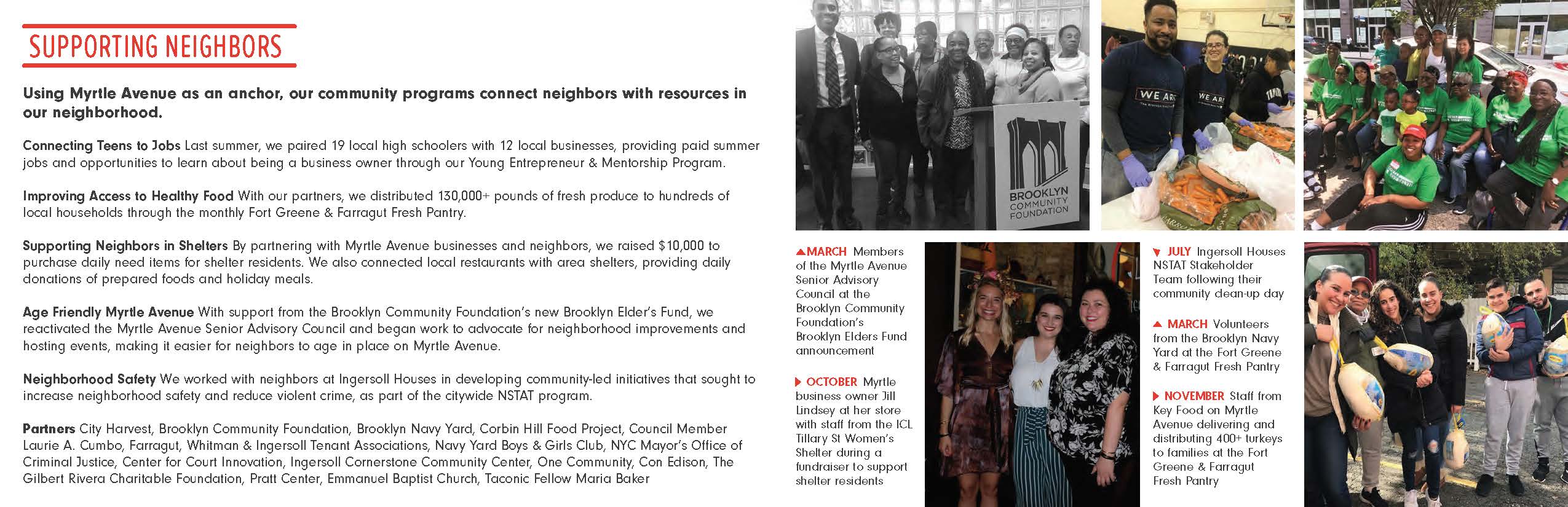
Provide details in the form below about the available job. We’ll promote it on our Myrtle Avenue Job Board and share with neighbors, particularly with groups within local NYCHA developments. You can also post and share the job wherever you’d like as well!

Step 2: Hire a local teen.
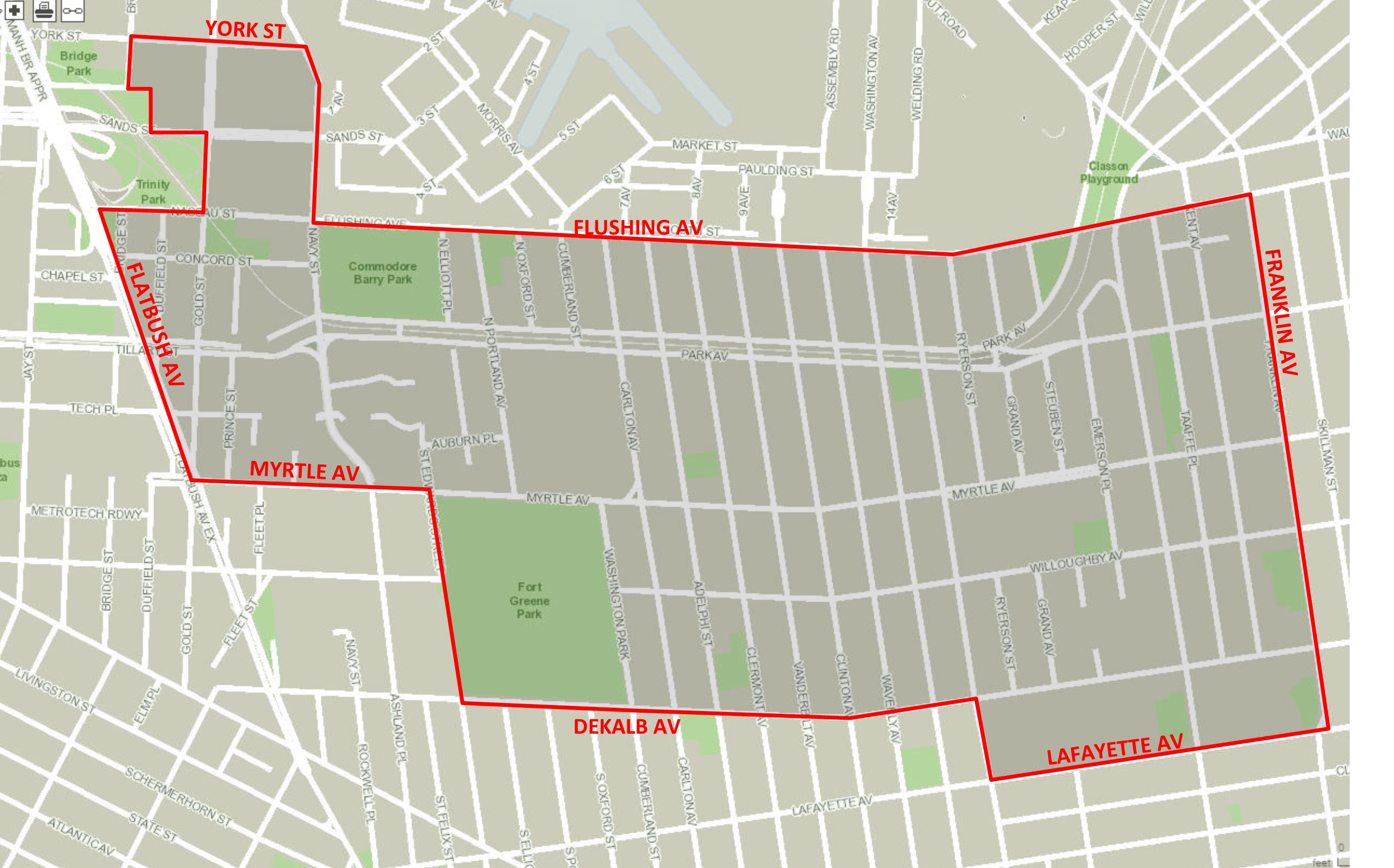
Reimbursement payroll grants will be provided to businesses who hire anyone ages 16-21 who’s home address is within Fort Greene & Clinton Hill (see map).

Step 3: Pay and request reimbursement
Begin paying the new employee, then submit proof of payroll expenses to the BID to request reimbursement. Up to $1,500 will be provided to businesses, reimbursing for wages to a qualifying employee only.

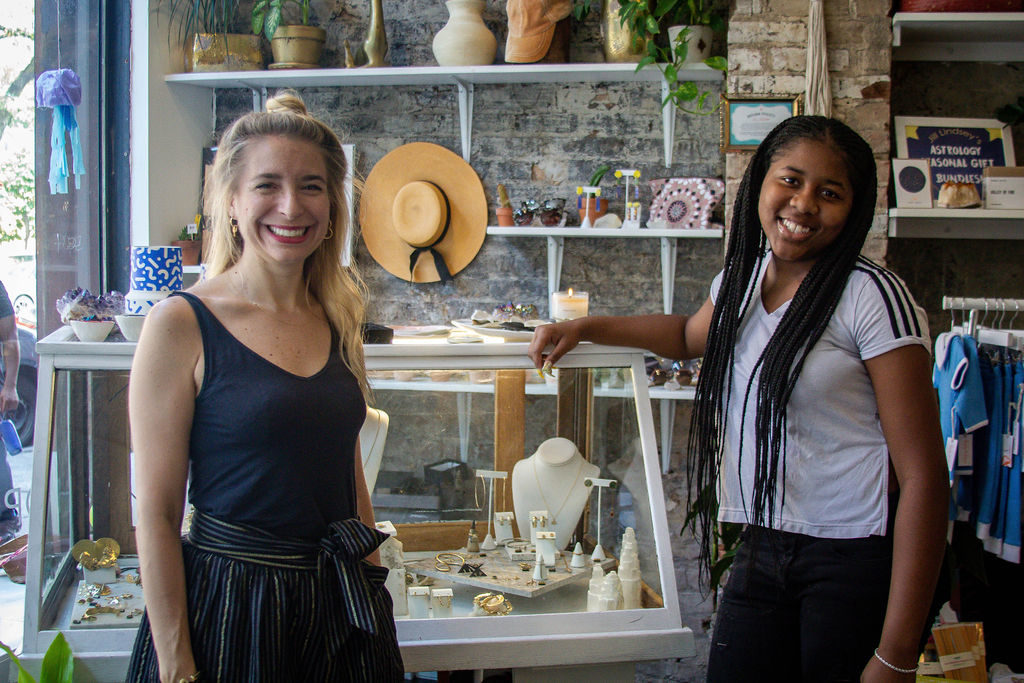
Myrtle Avenue merchant Jill Lindsey with Young Entrepreneur Mentorship Program participant Synyah during her six-week summer job assignment at the Jill Lindsey shop and cafe.

PROJECT TIMELINE

Businesses can apply for this program on a rolling basis (there is no deadline). But, the money will be reserved for businesses on a first come, first serve basis. Once a business applies and submits a job description, monies will be set aside for your anticipated reimbursement. Reimbursement requests can be submitted as soon as the business has enough payroll receipts to reach your desired reimbursement amount (up to $1,500).

Myrtle Local Employment Program

APPLY FOR THE PROGRAM (FOR BUSINESS OWNERS ONLY)

CREATE A JOB LISTING

Fill out the information below about the available job (or email an existing description to hello@myrtleavenue.org)

I AGREE

YOU MUST READ AND CHECK EACH OF THE FOLLOWING: *

This business assistance grant program is sponsored by Con Edison and The Gilbert Rivera Charitable Foundation:

COVID-19 Guide: Getting Help & Giving Help

UPDATED WEDNESDAY, MAY 27TH, 2020 1:30PM

Below is an ever-growing and evolving list of resources and updates for neighbors around Myrtle Avenue in Fort Greene & Clinton Hill regarding the coronavirus outbreak.

On “Pause”

Effective Sunday, March 22 at 8pm: all non-essential businesses are ordered to close. View the State’s list to view a full list of essential and non-essential. Restaurants can continue to operate on delivery or take-out basis only. Please visit our page to see what businesses are still operating on Myrtle.

Staying Healthy

Get the latest information and updates on COVID-19 from the NYC Department of Health. To receive real-time New York City COVID-19 updates, text “COVID” to 692-692.

Keeping Yourself & Others Healthy

Visit the Department of Health’s website for a full list of measures everyone needs to take to reduce the spread of COVID-19. This includes regular and proper handwashing, social distancing, and isolating yourself if you feel sick.

Mental Health Support

If you have experienced difficulty managing your anxiety and fear levels during this crisis, visit the Office of Mental Health website for FREE Mental Health support. This website includes resources for people who are looking for help but also for those who are looking to help and volunteer.


Resources For Businesses

The Myrtle Avenue Brooklyn Partnership continues to track the latest resources for businesses and is advocating with local elected officials, city agencies and small business service organizations for resources that can assist Myrtle’s small business owners and employees.

For the latest guidelines, tips and FAQs for small businesses from the City of New York, please click here or sign-up for updates by e-mail.

Re-opening Resources

    • A few regions of the State begin reopening May 15th, but this does not include NYC
    • Once NYC is able to begin “re-opening”, different types of non-essential businesses will reopen in different phases. Specific reopening dates have not yet been set for these phases in NYC:
      • Phase 1: non-essential retail shops can reopen but only with curbside or in-store pickup service (customers cannot shop around the store). This includes clothing stores, gift shops, and florists. *NOTE: Currently, only single-employee non-essential retail shops have been able to operate with the curbside or at-door service. This can continue until the “re-opening” date in NYC happens and then at that point you can begin to have more staff in the store.
      • Phase 2: professional services (hair salons, barbershops, accountants, etc.), in-store retail shopping, real estate services, administrative office workers 
      • Phase 3: dine-in service at restaurants
      • Phase 4: schools, museums, entertainment venues
      • Before you re-open, your business will need to have a Re-Opening Safety Plan. Fill in your business information at the top, fill in some specifics to the questions asked, print and keep in your business, and share with staff. You do not need to submit this plan to the City or State.
      • New York Forward Business Re-Open Lookup Tool
      • Signage

For more resources, guidelines and tips, please see below.

Retail

Restaurants and Bars

It should be noted that, NYC Food Czar, Kathryn Garcia, shared the following updates and reminders with us:

  • Bars and restaurants should adopt policies that promote social distancing for waiting patrons and cannot exceed 50% of capacity for patrons waiting inside the premises.
  • Bars and restaurants can adopt a policy that prohibits customers from entering your restaurant or being served without a face covering.

Advice for both Retail and Restaurants

Hair and Nail Salons and Barbershops

Fitness and Gyms

Face Coverings

Additional Resources and Readings 

Rent and Lease Issues

At this time there is no formal rent or mortgage grace period enacted in NYC, which means you are still obligated to make your rent payments. A moratorium is in effect for evictions (meaning your landlord can’t begin to take you to court) until August 20th. Similarly, the governor has requested (not required) lenders to impose a 90-day grace period on mortgages.

For more legal assistance, you can reach out to the following organizations for free legal services regarding rent and lease issues.

The New York State Senate has proposed Bill S8125A which calls for the suspension of rent payments for certain residential tenants and small business commercial tenants and certain mortgage payments for ninety days in response to the outbreak of covid-19. This is currently a proposal at this point and has not been enacted. Click here for more information.

To help advocate that the City, State, or Federal government pass rent relief, visit MyGovNYC.org to find a full list of your elected representatives and their phone numbers. 

Financial Aid (Federal and City)

  • New York State launched the New York Forward Loan Fund (NYFLF) to provide working capital loans of up to $100,000 to NYS small businesses, nonprofits, and small landlords that suffered a direct economic hardship as a result of COVID-19. The $100+ million program supports businesses and organizations as they proceed with upfront expenses to comply with guidelines (e.g., inventory, marketing, refitting for new social distancing guidelines) as they reopen based on New York Forward guidelines.
    While New York City has not yet been cleared to reopen from NYS on PAUSE, small businesses can now complete the NYFLF pre-application and get in queue. To expedite your full application once the region/industry is eligible, we recommend you have ready the recently filed tax returns and evidence of legal formation of business entity (Articles of Incorporation and/or bylaws) for the participating lenders.
    To be eligible, small businesses must have 20 or fewer full-time equivalent employees and gross revenues of less than $3 million per year, and have been in business for at least one year as of the date of loan application. Further, applicants are ineligible if they received SBA funding through the Paycheck Protection Program (PPP) or the Economic Injury Disaster Loan (EIDL).
  • Paycheck Protection Program (PPP): Businesses can apply for a “loan” that can help cover payroll and other expenses from now through June 30. The loan will be fully forgiven if the funds are used for payroll costs, interest on mortgages, rent, and utilities, with at least 75% of the forgiven amount must have been used for payroll. Loan payments will also be deferred for six months. No collateral or personal guarantees are required. Neither the government nor lenders will charge small businesses any fees. Loan forgiveness is based on the employer maintaining or quickly rehiring employees and maintaining salary levels. You can apply through any existing SBA 7(a) lender and view a sample application here.
  • Paycheck Protection Program Loan Forgiveness Application
  • If you applied already but haven’t heard anything from your bank or was told that your application was not approved, you can apply again through a local lender who still has some money available. BOC Network is here in Fort Greene and provides services and loans to small businesses. They are still accepting applications for the PPP loan program but anticipate their funds being out by within a week. If you’d like to apply through them, please fill out this form. Please give us a call if you need help filling out the form, 718-230-1689. Boc Network is only processing a handful of applications, not thousands like the big banks, which means your application with them will get processed much faster.
  • Chase: no longer accepting applications at the moment
  • Bank of America: their application link is still open, but this could change at any moment
  • TD Bank: their application link is still open, but this could change at any moment
  • CitiBank: they are contacting existing clients in batches and inviting them to apply
  • For anyone who has an existing loan that was backed by the SBA (typically these are called 7(a) or 504 loans), your payments for the next 6 months can be covered by the federal government and you won’t owe anything (principal, interest, fees) on it during that 6-month window. Contact your lender for more information.
  • For more details on EIDL Loans and the PPP, click here for an “explainer sheet” on how the aid package addresses small businesses in particular, or visit the Small Business Guidance and Loan Resource page on the SBA website. For assistance in filling out applications, schedule an appointment with a representative from the Brooklyn Small Business Development Center by calling (718) 797-0187.

Note: Updates are not regularly coming in response to the applications. Whether you are contacting SBA about the EIDL loan, or your private lender for about your PPP application, it is important for businesses to have their application number/confirmation on hand. Businesses are also advised to check their Spam email folders as some communication has been sent to that folder, only to be missed. 

  • Sick Pay Reimbursement: The IRS announced 100% reimbursement for small businesses for costs incurred when providing staff with paid sick leave related to COVID-19, available as a payroll tax credit. For full details, please visit the IRS’ website and consultant with your accountant.
  • NYC Small Business Continuity Fund: Please note, per the NYC Small Business website: “Due to overwhelming interest in the NYC Business Continuity Loan Fund, we have paused application intake, as of Wednesday, April 8. We will be reviewing submitted applications on a first-come, first-served basis until funds are exhausted.”
  • NYC Employee Retention Grant: The application for this loan is now closed. Please apply for the Small Business Continuity Fund or the SBA loans mentioned above.
  • SBA Economic Injury Disaster Loan (EIDL) and Loan Advance: this loan awards a loan advance of $10,000, disbursed within three days of application approval. This grant does not need to be paid back. Any EIDL loans you take beyond this $10,000 amount will need to be paid back. Businesses are eligible to borrow up to $2 million through the EIDL loan program, which carries an interest rate up to 3.75 percent, as well as principal and interest deferment for up to 4 years. The loans may be used to pay for expenses that could have been met had the disaster not occurred, including payroll and other operating expenses. To apply for EIDL loan advance, click here. This video can assist you in completing the application. You may begin to apply for a loan on Friday, April 3 directly through your prefered lender or bank. Update: As of 6pm on Monday, April 27th, the SBA has said they are no longer accepting applications for the EIDL loan, as previous applications, that still need to be processed, will use up the rest of the funds awarded in the second round of stimulus. PPP loans are still available for application

Note: Scammers are targeting businesses with loan and grant fraud. Beware of phishing emails and robocalls, and double check any web addresses to make sure that they are associated with the correct government agency.

Advocacy

In partnership with the NYC BID Association and other organizations, we are advocating for more supportive measures to help save small businesses:
  1. Fix the Paycheck Protection Program
  2. Commercial Rent & Mortgage Support
  3. Business interruption insurance claims must be paid
  4. Convert sales tax to cash grants

For more information, click here.

Small Business Grants From Private Companies and Non-Profits

  • Dime Savings Bank is offering $3,000-$10,000 grants to Brooklyn small businesses. You can submit a grant application at dime.com/grants. The deadline is May 22.
  • 1010 Wins has relaunched their 1010Wins $10,000 giveaway for small businesses. Apply for the contest here.
  • Facebook has also recently announced a grant program aimed at small businesses. For more information, click here.
  • Verizon Wireless, through a $2.5 million investment, is launching a Small Business Recovery Fund, that awards up to $10k per qualifying applicant. Click here for more details and to register.  
  • The Spanx Sara Blakely Foundation Red Backpack Fund is making 1,000 grants of $5,000 each to female entrepreneurs to help alleviate the immediate needs and support the long-term recovery of those impacted by COVID-19. Visit here for more information.
  • Grantspace updates their list of organizations making hardship grants to small businesses,nonprofits, individuals and artists daily here.
  • Hello Alice is offering $10,000 grants being distributed immediately to small business owners impacted by coronavirus. For Alice Emergency Grants, visit here.
  • KIVA is offering up to $15,000 in zero interest loans for small businesses. Apply here.
  • GoFundMe.org Small Business Relief Fund will provide micro-grants to qualifying small businesses negatively impacted by the COVID-19 pandemic. For information, visit here.
  • Salesforce Care Small Business Grants will be offering $10,000 grants to U.S. small businesses. For information, click here.
  • Business For All is offering grants up to $50,000 to support business growth, including $10,000 emergency COVID-19 Business for All Grants to help small businesses in crisis. Apply here.
  • ebay has launched an accelerator program called Up and Running to help retailers without an online presence transition to selling online. For information, click here.

Tax & Utility Waivers and Suspensions

  • New York State is waiving late and penalty fees for sales tax that is paid late. The federal tax deadline has been extended to July 15.
  • When filing business or excise tax payments to The City of New York, businesses can request to have penalties waived when submitting a late-filed extension or return. For information, visit the Department of Finance.
  • ConEd and National Grid has suspended shut-offs for any customers who may have difficulty paying their utility bills.

Resources for Employees

If you are a worker who has experienced a lay-off or reduction in ours, please review these resources. If you are a business owner, please share these with your staff.

  • Mental Health Services for Service Workers.
  • This easy questionnaire from the City will help you identify benefits like food and rent assistance that you are eligible for.
  • To file an unemployment claim, click here.
  • For kitchen staff, apply for a food prep position at Rethink Food in the Brooklyn Navy Yard. They are currently hiring more staff to help them meet the rising demand for emergency response food service.

Resources for Community Members and Customers

Financial Help

  • The 1k Project uses personal networks to directly match a family impacted by the pandemic with a family committed to giving them $1k for 3 months. For information, click here.

Accessing Free or Low-Cost Food

  • Monday-Friday: suggested $3 lunch at Rethink Cafe (154 Clinton, just off Myrtle) between 11am-3pm. Meals will be provided to anyone regardless if they can pay the $3 or not.
  • Monday-Friday: three meals a day are available to grab-and-go from select NYC public schools, including PS 67 on St. Edwards St between Myrtle & Park Aves, for K-12 students from 7:30am-1:30pm. All meals can be picked up at the same day. To find which schools will be distributing meals and for a planned menu, visit schools.nyc.gov/freemeals.
  • EVERYDAY: free lunch for seniors 60+ is being delivered by the NYC Department of the Aging. To sign-up, please call (212) 244-6469 or 311. Note: meals are no longer available to pick up from senior centers.
  • To find a local food pantry or sign-up for food delivery service, please call 3-1-1

Food Resource Guide

Overcharging

If you witness overcharging in businesses, you are encouraged to report this to the city’s Department of Consumer Affairs by calling 3-1-1 and saying “overcharge” or by visiting 311.nyc.gov and searching “overcharge.”


Resources For Neighbors Looking to Help

Supporting Local Businesses & Impacted Employees

We are encouraging everyone to continue to safely support local businesses and their employees. View our Business Support Guide for a full list of current deals, offers, adjusted services and innovative ways to support Myrtle Avenue’s local businesses.

Below are links to sites where customers can donate to support impacted workers and where impacted workers can apply for assistance from recently created worker support funds.

Please be advised that the Myrtle Avenue Brooklyn Partnership is not affiliated with any of these donation sites or campaigns and cannot guarantee how donated funds will be used

Supporting High-Risk Neighbors

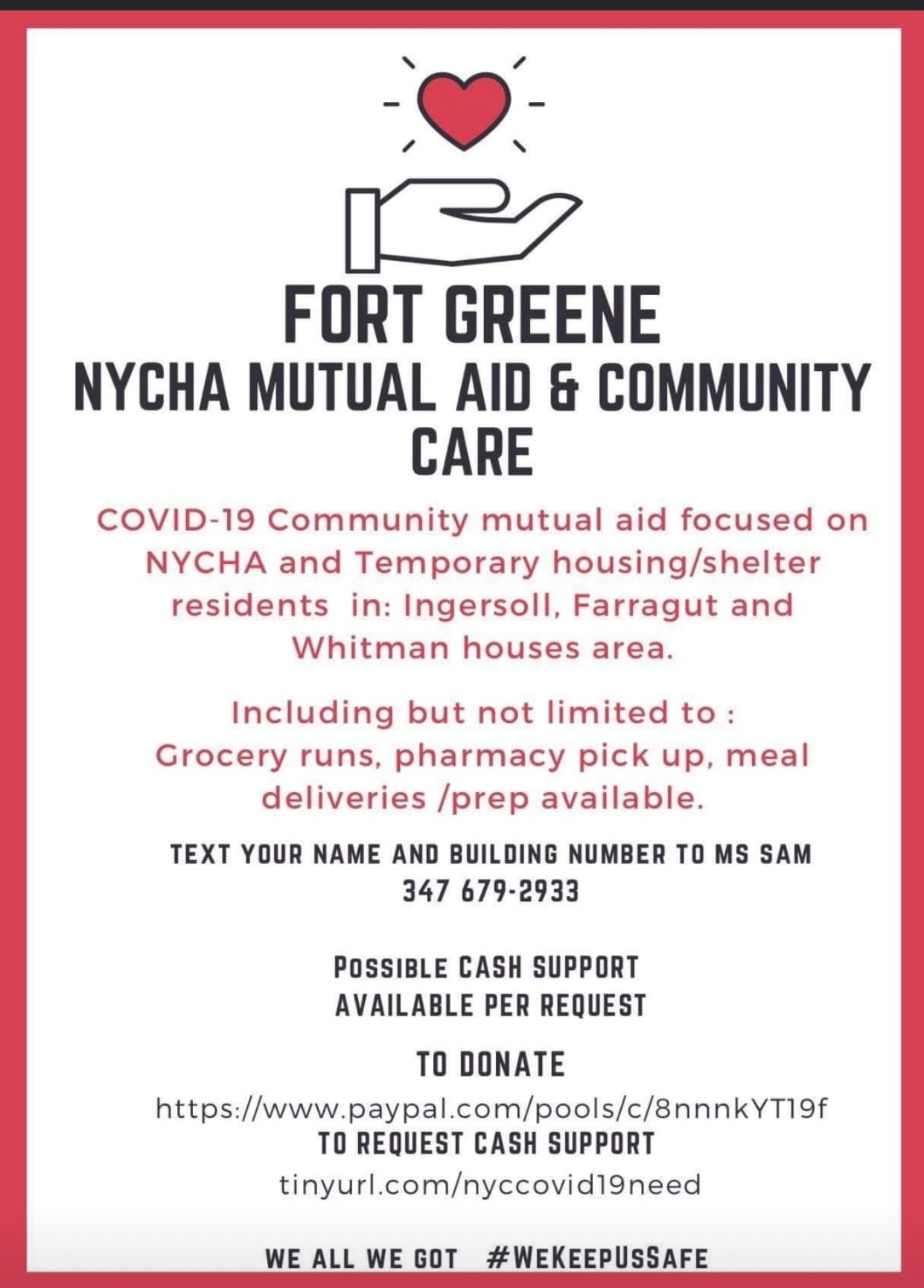
You add your name to a growing list of neighbors on Fort Greene-Clinton Hill Mutual Aid group who are looking to help locals with any needs. Or sign-up through Invisible Hands.

Similarly, No Neighbors In Need NYC is a great place to find ways to donate, help neighbors, or submit ideas for advocacy, citywide.

If you already know a neighbor who may be in need of assistance, please check in with them.

Donate or Volunteer

A number of non-profits are continuing or expanding their foodservice operations, offering door-to-door delivery of food to seniors or those with mobility issues. Below is a growing list of organizations looking for donations of money or volunteers:


Additional Resources

In an effort to connect you to as many resources as possible, we are gathering citywide information and will post here.

Local Food Resources During the COVID-19 Outbreak

ENGLISH  |  中文  |  ESPAÑOL  |  বাংলা

ENGLISH

If you are in need of accessing free groceries or meals, here are several options in and around Myrtle Avenue in Fort Greene and Clinton Hill:

1. Free grab-and-go meals for children & adults are available Monday-Friday from 7:30am-1:30pm at three local schools. For full details, text “NYC FOOD” to 877-877. 

  • PS 67 – 51 Saint Edwards Street
  • MS 114 – 300 Adelphi Street
  • PS 307 – 209 York Street

2. If you need food delivered to you and do not have a neighbor or family member who can pick-up groceries or meals for you, you can sign-up for food delivery through GetFoodNYC by calling 3-1-1 or visiting https://cv19engagementportal.cityofnewyork.us/#/display/5e7555117ad6750216160409

3. GMACC is distributing food and household supplies every Saturday at noon at 349 Myrtle Avenue

4. Rethink Food NYC Cafe is serving lunches with a suggested donation of $3 Monday-Friday  from 11am-3pm at 154 Clinton Ave

中文

如果您需要取得免费杂货或餐食,这里有几个在格林堡和克林顿山的Myrtle大道及其周边的选择:

1.周一至周五上午7:30-下午1:30,当地三所学校提供儿童和成人免费的外带餐食. 有关详细信息,请向877-877发送短信:“NYC FOOD”。

  • PS 67-51 Saint Edwards
  • MS 114-300 Adelphi Street
  • PS 307-209 York Street

2.如果您需要快递食物给您并且您没有邻居或家人可以帮您取杂货或餐食,您可以打311电话通过GetFoodNYC或访问https://cv19engagementportal.cityofnewyork.us/#/display/5e7555117ad6750216160409 来注册要求快递食物给您。

3.GMACC每周六中午在Myrtle大道349号分发食物和家庭用品。

4.Rethink Food NYC餐厅周一至周五在Clinton大道154号上午11点至下午3点提供午餐,建议捐款仅为3美元。

ESPAÑOL

Si necesitas ayuda para obtener despensa o comida preparada gratis aquí hay algunas opciones en Fort Greene y Clinton Hill:

1. Recoge comida GRATIS para niños y adultos: Disponible de Lunes a Viernes de 7:30am a 1:30pm en tres escuelas locales. Para mas detalles, envie un mensaje de texto “NYC FOOD” to 877-877.

  • PS 67 – 51 Saint Edwards
  • MS 114 – 300 Adelphi Street
  • PS 307 – 209 York Street

2. Si necesitas entrega de comida porque no tienes ningun vecino o familiar que pueda recoger despensa o comida preparada para ti, puedes inscribirte para reecibirla mediante GetFoodNYC llamando al 3-1-1 o visitando https://cv19engagementportal.cityofnewyork.us/#/display/5e7555117ad6750216160409

3. GMACC está dribuyendo comida y algunos suministros del hogar todos los Sábados comenzando a las 12:00 del medio día. Encuentralos en 349 Myrtle Ave.

4. Rethink Food NYC Cafe esta sirviendo comida con una donación sugerida de $3 de Lunes a Viernes de 11am a 3pm en 154 Clinton Ave.

বাংলা

আপনার যদি বিনা মূল্যে ঘরের নিত্য প্রয়োজনীয় 

জিনিষ অথবা খাবারের প্রয়োজন হয় তবে ফোর্ট গ্রিন 

এবং ক্লিনটন হিলছাড়াও মার্টাল এভিনিউয়ের মধ্যে 

এবং আশেপাশে নীচে দেওয়া স্হান/ফিসে যোগাযোগ করতে পারেন। নীচের দেওয়া স্হানেপ্রয়োজনে যোগাযোগ করুন:


শিশু এবং প্রাপ্তবয়স্কদের ন্য বিনামূল্যেখাওয়ার খাবার দেওয়া হয়ে থাকে। নীচের স্থানীয় তিনটি স্কুলে সোমবার থেকে শুক্রবা সকাল 7:30 থেকে দুপুর 1:30
পর্যন্ত আরও বিশদ ভাবে জানার জন্য, “NYC FOOD” লিখে 877-877 নম্বরে text করুন। 

পিএস 67 – 51 সেন্ট এডওয়ার্ডস

এমএস 114 – 300 অ্যাডেলফি স্ট্রিট

পিএস 307 – 209 ইয়র্ক স্ট্রিট।

আপনার যদি বাসায় খাবার ডেলিভারী প্রয়োজন হয় এবং আপনার প্রতিবেশী বা পরিবারের কোনও সদস্য যদি আপনার জন্যপ্রয়োজনীয় সামগ্রী বা খাবার গ্রহন করতে না পারেআপনি 

3-1-1 কল করে GetFoodNYC 

[গেটফুডএনওয়াইসিমাধ্যমেখাদ্য বিতরণে সাইনআপ করতে পারেন অথবা https: //cv19engagementportal.cityofnewyork.us/#/display/5e7555117ad6750216160409

জিএমএসিসিপ্রতি শনিবার দুপুর ১২টায় 

349 মার্টাল এভিনিউতে খাবার এবং ঘরের নিত্য 

প্রয়োজনীয় সামগ্রী বিতরণ করে থাকে। 

. Rethink Food NYC Cafe (রিথিংক ফুড এনওয়াইসি ক্যাফেতেসোমবার থেকে 

শুক্রবারসকাল ১১ থেকে দুপুর টা পর্যন্ত 

১৫৪ ক্লিনটন এভিনিউতে দুপুরের খাবার বিতরন করা হয়। 

Introducing Richard Wright Way

This Black History Month, we’re celebrating the rich legacy of Black Artistry in Fort Greene by partnering with contemporary artists on events and exhibitions. And we’re paying homage to those local artists who came before us, including author Richard Wright.

Richard Wright lived just off Myrtle Avenue on Carlton Avenue in Fort Greene in the 1930s when he was writing his most prolific novel, Native Son. To mark Wright’s days in the neighborhood, we’re spearheading a campaign to co-name Carlton Avenue, between Myrtle and Willoughby, Richard Wright Way.

We’re excited to report that the co-naming proposal has begun the process for approval, gaining support from a number of local partners and organizations. The Carlton-Willoughby Block Association, Majority Leader Laurie A. Cumbo, and Brooklyn Community Board 2’s Transportation Committee have all stepped forward to support the proposal. Additionally, residents of the block have signed a petition in support, and we invite you to sign as well!

Image result for richard wright

ABOUT RICHARD WRIGHT

Born in Mississippi in 1908, Wright was the son of sharecroppers and grandson of formerly enslaved persons. Joining six million other African Americans, Wright and his family fled the Jim Crow south and migrated north in the early 20th century. Before moving into 175 Carlton Avenue, Wright had lived in Memphis, Chicago and Harlem. In 1938, Wright moved to Fort Greene and worked on the draft of his latest novel, which would become Native Son. Wright spent most of his days during his short stay in Fort Greene writing the book at his apartment, in Fort Greene Park and at the Walt Whitman Library (which was then called the City Park branch). On March 1, 1940, Native Son was published and within the first month sold over 215,000. The quick success was largely due to the fact that it was a Book of the Month Club selection, the first book written by a Black author picked by the national club. Since 1940, the novel has seen countless reprints, in many languages, and continues to shape conversation about being Black in America.

WHY A STREET CO-NAMING?

Many of Fort Greene and Clinton Hill’s street grid and local landmarks carry the names of past residents. The vast majority of those memorialized with named spaces are from the 18th or 19th century and mark men with European ancestry. However, as the neighborhood has developed over the past 400 years, it has been home to people and communities who trace their roots all over the world, largely Europe, Africa, and the Caribbean. We believe local public spaces should tell a more complete story of the neighborhood’s social history and have begun a campaign to honor more individuals who’ve shaped our community. This includes an effort to co-name streets after people of color and women. Stay tuned for more!

NEXT STEPS

An honorary street co-naming in New York City is enacted and approved by the NYC City Council. The Richard Wright co-naming is slated to go before council in June. Prior to that, it’ll be presented to the full community board in March.

Some Words: Black Artstory Month 2020

Recognize Richard Wright with Street Co-Naming

Author Richard Wright, who lived in Fort Greene in the late 1930s while writing Native Son.

To gain more recognition of author Richard Wright’s legacy in Fort Greene, we’re proposing the co-naming of Carlton Avenue in Wright’s honor. This campaign is part of SOME WORDS, Myrtle Avenue’s Black Artstory Month series in February 2020 that celebrates the legacy of Black artists and activists in Fort Greene & Clinton Hill whose words changed the world.

Sign the Petition

Richard Wright lived at 175 Carlton Ave, between Myrtle and Willoughby avenues, in 1938 when he was writing his most famous novel, Native Son. Wright’s “protest novel” garnered him international attention, made him one of the wealthiest Black authors of his time, and sold over 215,000 copies within its first three weeks on sale, largely in part to being the first book written by a Black American to be selected for the Book-of-the-Month Club list.[i] Literary critic Irving Howe easily summarized the book’s importance by saying, “the day Native Son appeared, American culture was changed forever.”[ii]

The co-naming would bring greater visibility to his former ties to the neighborhood and increase the representation of influential African Americans within Fort Greene’s public space.

For updates, follow @myrtleavebklyn on InstagramFacebook, or Twitter.

Sign the Petition


[i] Mitgang, Herbert. “Books of the Times; An American Master and New Discoveries.” The New York Times 1 January 1992. Accessed on 8 January 2020.
[ii] Howe, Irving. “Black Boys and Native Sons: On Wright, Ellison, and Bladwin.” DISSENT, Autumn 1963.

Where to Donate on Myrtle for the Holidays

‘Tis the season for giving! And on Myrtle Avenue, there are many options for where to donate toys, clothes or food to local families in need. Here’s our (growing) list of where to donate what around Myrtle:

WHITMAN, FARRAGUT & INGERSOLL HOUSES TOY DRIVE

We’re partnering with the Whitman, Ingersoll and Farragut Tenant Associations to support their toy drives, which serve families in the three local public housing developments. New, unwrapped toys can be dropped off at the following locations between Nov 15 – Dec 15 during their normal business hours:

    1. Sacred Brooklyn, 334 Myrtle (btwn Washington Pk & Carlton)
    2. Putnam’s, 419 Myrtle (corner of Clinton Ave)
    3. [Salon]718, 456 Myrtle (btwn Washington Ave & Waverly)
    4. Fort Greene Tree Lighting, at St Edwards & Myrtle on Sun, Dec 8 from 4-5pm

OTHER LOCAL DRIVES

Jill Lindsey
370 Myrtle Avenue (btwn Adelphi & Clermont)
Accepting donations of toys & gifts to support local residents of all ages.

Corkscrew Wines
489 Myrtle Avenue (btwn Hall & Ryerson)
Collecting toys through the month of December for ages 0-5 years, to support Little Essentials toy drive.
Corkscrew is also accepting clothing donations until Nov 15 to support the Pratt C-Board’s annual clothing drive. Click here for details about needed items.

Fort Greene SNAP
324 Myrtle Avenue (btwn Washington Pk & Carlton)
Donate toys, coats, clothes and boxed/canned food which will be given to local families for the holidays. Donations can be made any day during their normal office hours, but it is encouraged that toys be donated before Dec 16 to ensure delivery before Christmas.

Brooklyn Navy Yard
Drop off toys and coats for all ages at BLDG Nov 11 – Dec 13 at BLDG 92 (Flushing & Carlton) and BLDG 77 (Flushing & Vanderbilt)

Green in BKLYN
432 Myrtle Avenue (btwn Clinton & Waverly)
Accepting books for all ages to support the Brooklyn Book Bodega’s book giveaway at the Ingersoll Community Center (177 Myrtle Ave).

Brooklyn Brazilian Jiu-Jitsu
412 Myrtle Avenue (btwn Clinton & Vanderbilt)
Accepting clothing donations until Nov 15 to support the Pratt C-Board’s annual clothing drive. Find a list of requested clothing items here.

Owl and the Pussycat Salon
154 Vanderbilt Avenue (btwn Myrtle & Willoughby)
Accepting donations of diapers to support Little Essentials.

Shop Myrtle on Small Business Saturday

Small Business Saturday returns to Myrtle Avenue for Thanksgiving weekend on Saturday, November 30th! The annual, national event provides an opportunity for local communities to show support for the independent shops that add so much value to their neighborhoods.
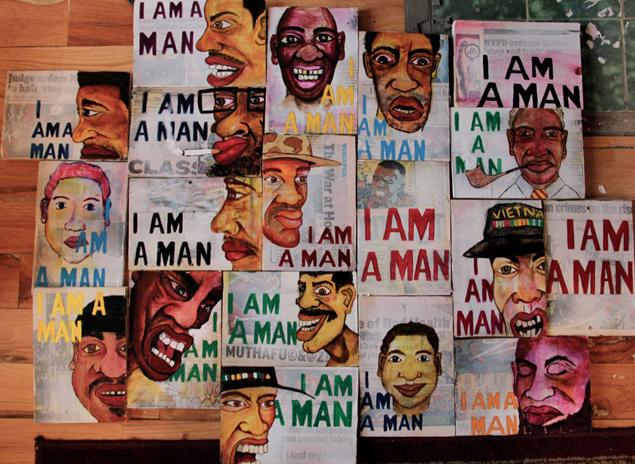
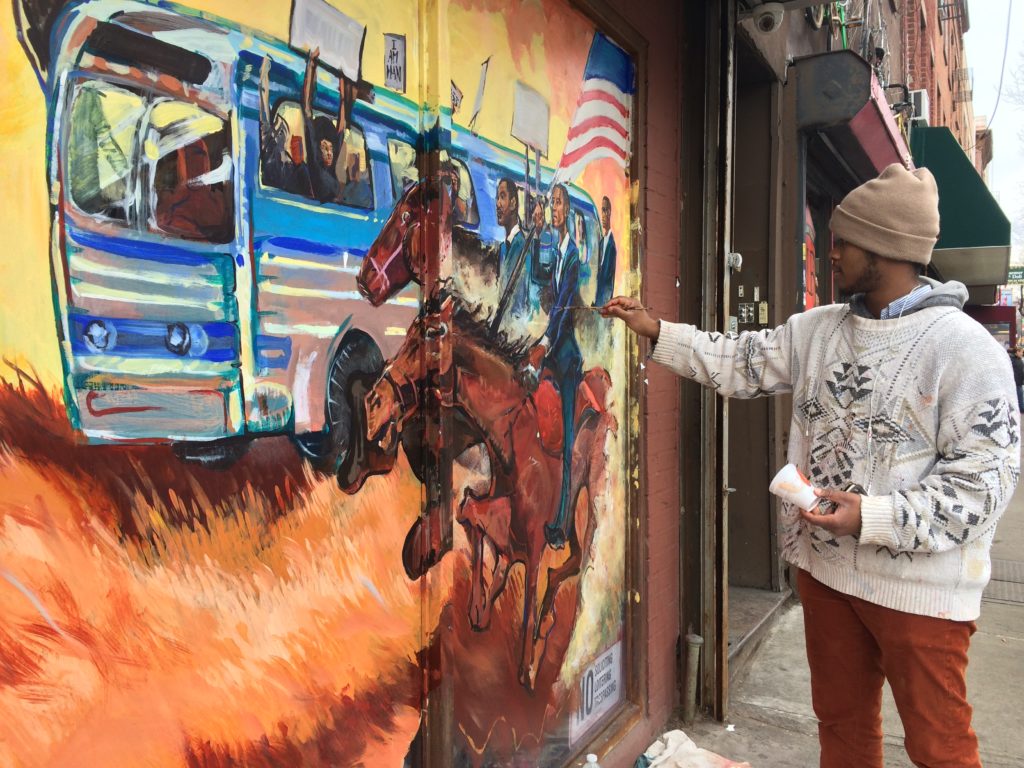
HOW TO CELEBRATE

1. Visit the #ShopMyrtle Station on Nov 24

On Saturday, November 30, visit the Myrtle Avenue team at Clinton & Myrtle for all things #shopsmall. We’ll have free shop small and Myrtle Avenue swag and you can enter to win a chance to win $200 to local businesses of your choice (more info below)!

2. Shop Small & Win $200!

Every purchase you make at a Myrtle Avenue businesses lands you a chance to win a $200 Myrtle Avenue shopping spree! Each receipt from a locally-owned Myrtle Avenue business on Nov 30 will enter you one chance in the big drawing. To enter, bring your receipts to the #ShopMyrtle Station at Myrtle & Clinton on Nov 24 between 12pm-3pm.

3. Pledge to Shop Local!

Over 85% of Myrtle Avenue’s businesses are independently-owned. If you love Myrtle Avenue’s “mom-and-pop” shops, show them some love on Small Business Saturday – and throughout the entire holiday season – by choosing to spend your dollars in your community. This holiday season, join us in making the pledge to purchase one gift item at a locally-owned shop on Myrtle Avenue.

4. Stay Connected

Follow @myrtleavebklyn on Facebook, Instagram, and Twitter for the latest #shopsmall updates. And be sure to follow your favorite local businesses on social media too to learn about specials deals and events.


Call for Submissions: Black Artstory Month 2020

2019 Myrtle Avenue Annual Report Released

To read about the Myrtle Avenue Brooklyn Partnership’s work over the past year, click through our 2019 annual report below.

To learn more about the BID, please visit our ABOUT US page.

YEMP Summer Playback

Myrtle Avenue merchant Jill Lindsey with Young Entrepreneur Mentorship Program participant Synyah during her six-week summer job assignment at the Jill Lindsey shop and cafe.

With the invaluable support of community partners, Myrtle Avenue merchants, and self-driven youth, Myrtle Avenue Brooklyn partnership has successfully closed out their 13th year of the YEMP (Youth Entrepreneurship Mentorship Program) initiative! YEMP Summer 2019 was one for the books and also came with a lot of firsts.

#TheyWorked

This year’s YEMP summer initiative was packed with enriching opportunities for our participating Youth. We partnered with a local entrepreneurship consulting company to bring an afternoon of Shark Sessions which was a fun interactive version of the television show Shark Tank. The teens learned the basics of starting a business and even practiced pitching a business concept of their own. We had the owner of Green in BKLYN, Elissa, begin a scholarship fund in loving memory of her first intern, Cristina Valentin, for YEMP interns who exemplify activism and compassion for their community. After a competitive application process, 15-year-old Synyah Jordan was awarded the YEMP Activist scholarship of $100. Synyah Jordan also graced the YEMP closing ceremony as a keynote speaker and shared her personal experience through an empowering speech.

At the YEMP closing ceremony, the community in attendance showered all the fellows with words of encouragement and love as many of them continue to work, prepare for school, and be change agents in their community.

Want to Get Involved?

For information on how and when to apply for the annual YEMP internship, you can sign up for Myrtle Avenue’s newsletter to receive updates as soon as the 2020 YEMP application opens.

Special Thank Yous

To the 11 Myrtle Avenue merchants who volunteered to serve as employers and mentors to the participating local high schoolers:

  • Jill Lindsey
  • Green In BKLYN
  • Move With Grace
  • Vitality Juice Bar
  • Champion’s Taekwondo
  • Peck’s
  • Sandbox
  • Petee’s Pie
  • Brooklyn Public Library Whitman Branch
  • Halal Spot
  • Just Because Salon

A sincere thank you to supporters of the 2019 YEMP program: Con Edison and The Gilbert Rivera Charitable Foundation.

Thank you to Voodo Fé who accommodated the closing ceremony in their art gallery space at 572 Myrtle Ave.

Want to become a supporter of the YEMP program? Please contact us about becoming an individual donor.

FREE Walking Tours of Fort Greene & Wallabout

Advanced registration is required! Visit Eventbrite to register for an upcoming tour. 
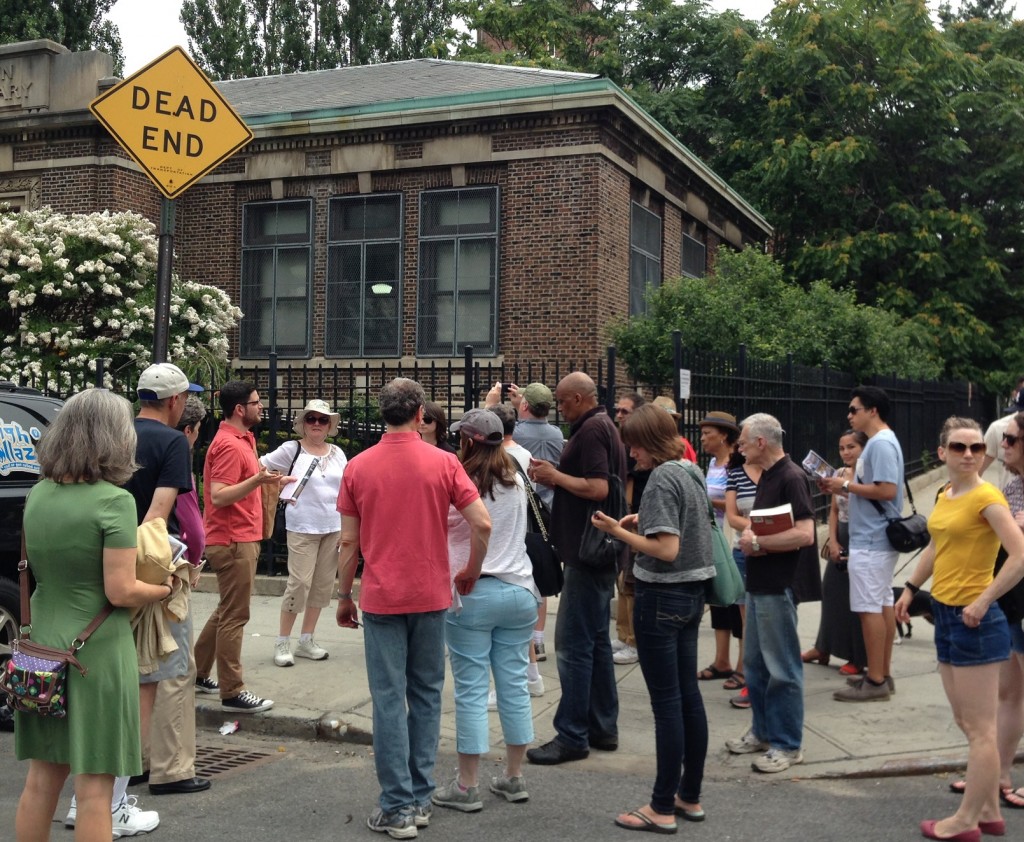
On the 3rd Saturday of each month, the Myrtle Avenue Brooklyn Partnership will host a FREE guided walking tour through the historic Wallabout neighborhood.  The walks are being offered in partnership with the Fort Greene Park Conservancy, with additional support from the Walt Whitman Project and American Opera Projects.

The guided walk will explore 400 years of history through the area’s historic architecture and landmarks and will venture into the neighborhood’s beautiful mix of pre-Civil War homes and late 19th-century industrial district just outside the Brooklyn Navy Yard.  The tour will focus on how the neighborhood has developed from when the first people from Europe and Africa arrived in the early 1600s. Along the route, notable residents and “hidden” landmarks will be discussed, like author Walt Whitman’s home, a former Tootsie Roll factory, Michael Jordan’s birthplace, and more.
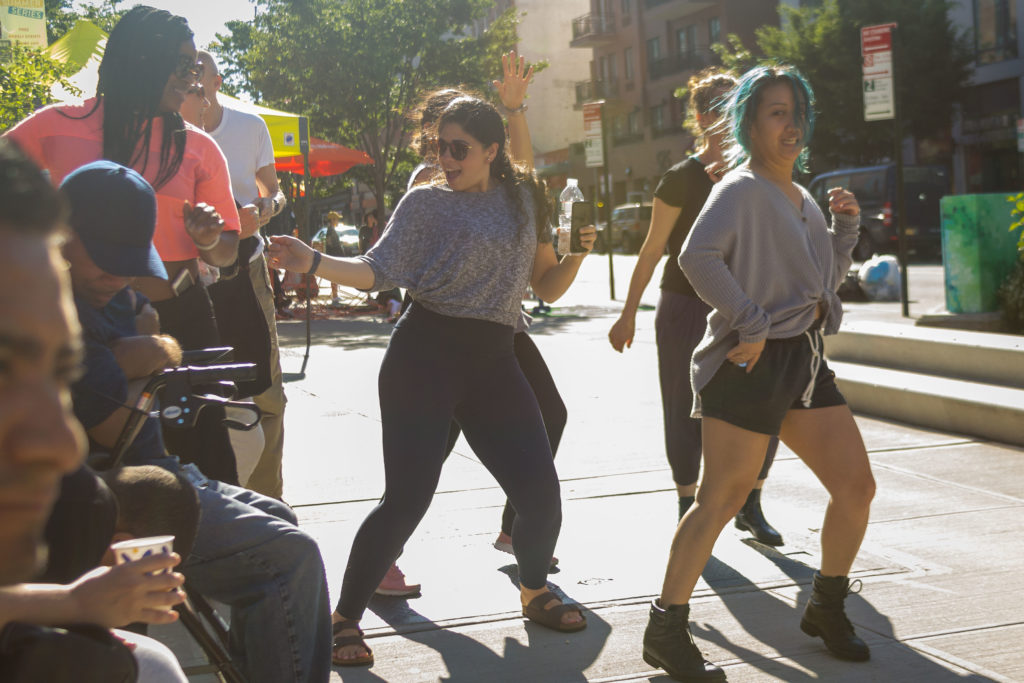
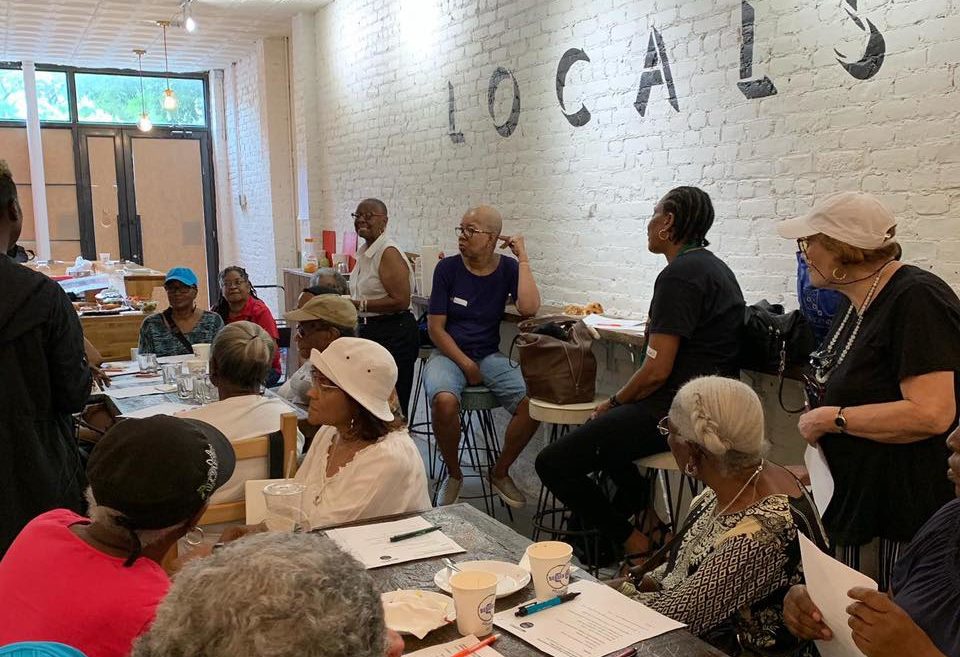
The tours begin in Fort Greene Park at 11am from May through October 2019.

The tour includes a 1.5 walk, beginning in Fort Greene Park and concluding at 99 Ryerson St.  The event is FREE, but space is limited and registration is required.

Want to Learn More?

If you’d like to learn about more local history in the Wallabout, Fort Greene and Clinton Hill area, view our self-guided Myrtle Avenue Black Artstory Tour. This free tour – available in the iTunes store or at myrtleavenue.org – highlights the area’s rich legacy of Black artistry by telling the story of eight varied artists who once called this neighborhood home.

90s Dance Party on Myrtle Ave

What better way to celebrate summer than with a neighborhood dance party? Join us on Myrtle Avenue for our monthly summer dance party in the Myrtle Avenue Plaza on Friday, August 23 for Best of the 90’s!

Enjoy dancing to your favorite hits from the last decade (oh wait, it was two decades ago now!), FREE food and treats from Myrtle Avenue restaurants, live art installation, games for kids, and more. All activities are FREE and open to all ages.

The party runs from 5-8pm on Friday, August 23rd at Myrtle Avenue and Steuben Street in the Myrtle Avenue Plaza. See you there!


Myrtle Senior Advisory Council Gets Active

Getting together and talking all things local was the agenda last Thursday at Myrtle Avenue when more than 20 local seniors gathered for the Myrtle Avenue Senior Advisory Council Meeting. After nearly a two year hiatus, the group reconvened for an open meeting to discuss neighborhood issues that impact seniors and how they can work as a group to ensure Myrtle Avenue is a welcoming place for seniors.
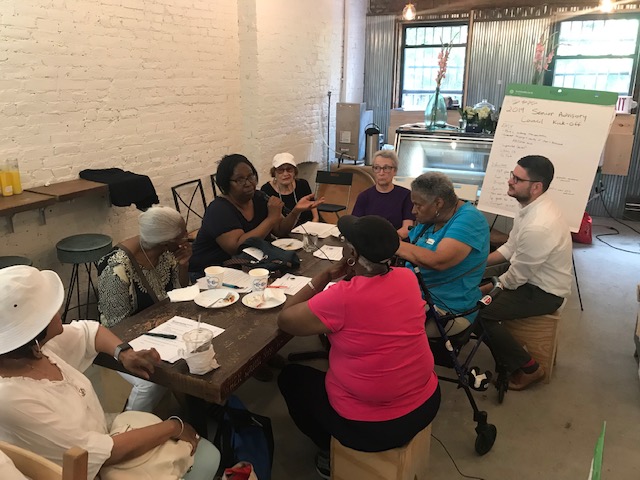
Let’s Get Together

On August 7th, neighbors gathered to discuss a number of local issues and to set course for the revised Senior Advisory Council. In the year ahead, the group of local elders will plan events for seniors at local businesses on Myrtle Avenue, help create and promote deals for senior citizens at local businesses, and advocate for the needs of seniors on and around Myrtle Avenue to local elected officials and city agencies. Their work will be supported by the Myrtle Avenue Brooklyn Partnership who originally helped found the council and sought designation of Myrtle Avenue as an official NYC Age-Friendly District.

Attendees of the Senior Advisory Council discussed common concerns around safety and transportation – particularly the MTA’s announcement to reduce B54 Bus service, senior-friendly opportunities, and the importance of access and affordability of services (laundromats, supermarkets, etc.) along Myrtle Avenue.

Want to Join the Council?

We invite interested residents of the Fort Greene, Clinton Hill, Wallabout, and Brooklyn Navy Yard area to join the Senior Advisory Council for a meeting, and a potential leadership role. The meeting locations will revolve on both ends of the district to accommodate neighborhood residents. 

 Would you like to join the Senior Advisory Council, or come to the next Council meeting? Do you want to sign up for more information? Give us a call at 718-230-1689 ext#5 or email info@myrtleavenue.org for more information.

The next Senior Advisory Council meeting will be on Wednesday, September 25th at 10:00 AM- 12:00 PM at Bishop Memorial Mission at 127 Emerson Place on the corner of Emerson Place and Myrtle Avenue. See the flyer below.

Thank You to Our Supporters

The Senior Advisory Council offers a big thank you to Locals – a new market to open this fall at 332 Myrtle Avenue – generously provided the space for the meeting.  

Age-Friendly Myrtle Avenue is funded in part by a grant from the CABS Community Foundation, an advised fund of the Brooklyn Community Foundation’s Elders Fund. Thank you to the Brooklyn Community Foundation for supporting our work to connect the elders of our neighborhood to co-create a shared vision for our community.

Sign the Petition: Restore B54 Bus Service

Photo by: Anthony Huntington

Join us for a “Rally for the B54” on Thursday, August 8 at 10am at the Myrtle Ave and Washington Ave bus stop (in front of A-rod Grocery).

The MTA is proposing to cut service on the B54 bus this fall, increasing wait times and creating more crowded buses during morning commutes and throughout the day. Sign the petition, calling on the MTA to not reduce service on the B54

For most of Myrtle Avenue, the B54 is the only transit option available. Cutting service will further decline ridership, leading to worse conditions for riders who cannot afford to hail cabs or who are unable to walk the long distance to a subway station.

According to plans from the MTA’s New York City Transit Authority, fewer busses will run on weekdays during morning peak times, midday, and during evening service. The plan would increase wait times up to 15 minutes (up from 12 minutes) at certain points during the day. These longer wait times, according to the MTA’s projections, will push capacity on buses at certain times of the day to 94% (up from the current measured capacity of 84%).

Current plans do not call for changes in service levels during peak evening hours.

FREE Summer Events: Music, Fitness, & More

Throughout summer 2019, the Myrtle Avenue Brooklyn Partnership will host FREE weekly events in the Myrtle Avenue Plaza in Clinton Hill (corner of Myrtle & Steuben).
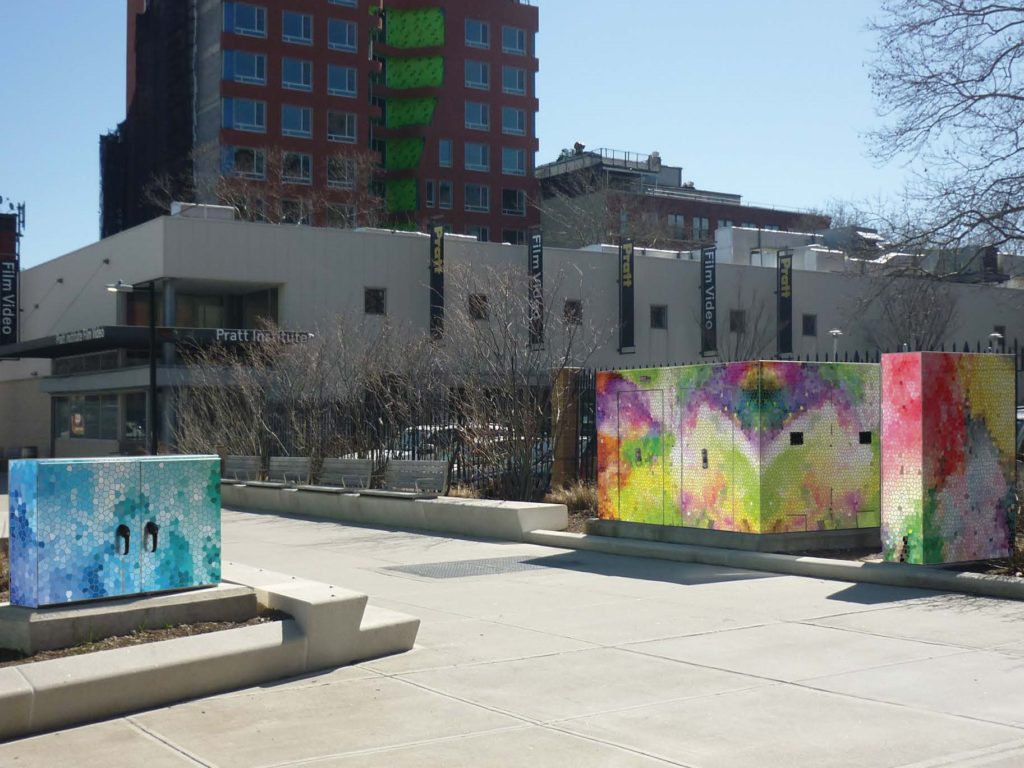

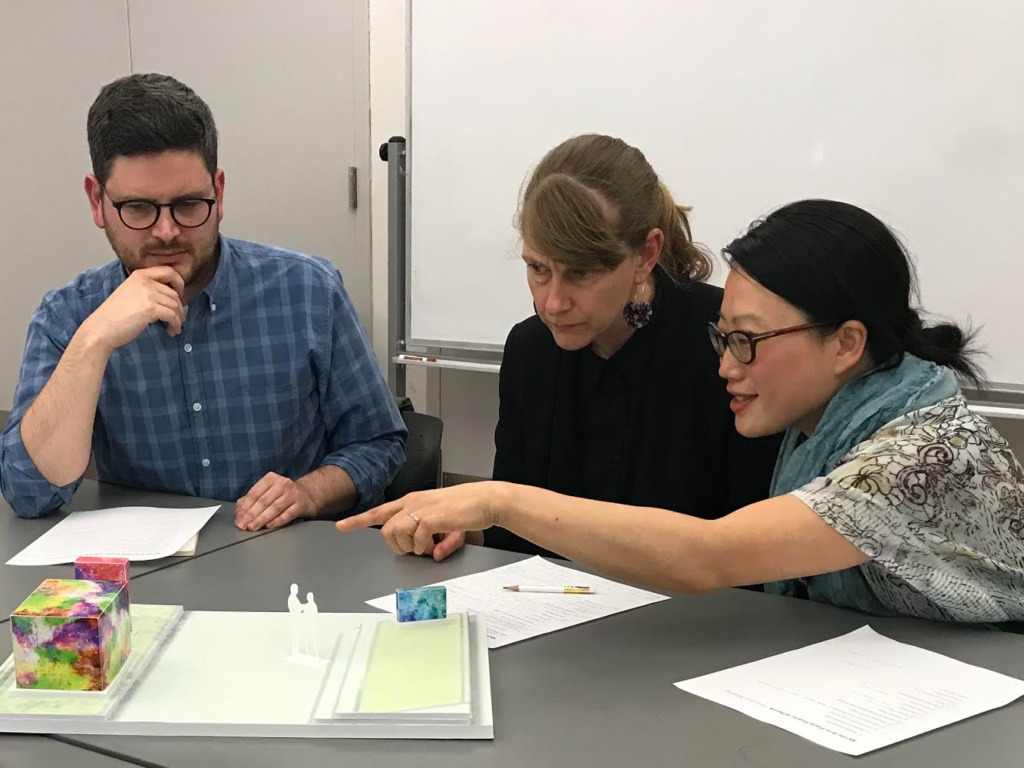
Follow @MyrtleAveBklyn for any schedule updates throughout the summer.

Event Schedule

Jump To: OUTDOOR FITNESS / ARTS & CRAFTS / KIDS CONCERTS / LUNCHTIME CONCERTS / GAME DAY / DANCE NIGHT

OUTDOOR FITNESS

High Energy Workouts
Every Saturday, 9-10am

June 1 – Boot camp with Vitality Health & Wellness
June 8 – Kickboxing with CKO Kickboxing. *TWO* classes will be offered, at 9am and 10am. Gloves will be provided.
June 15 – Boot camp with Southbridge Fitness
June 22 – Boot camp with Vitality Health & Wellness
June 29 – Boot camp with Southbridge Fitness
July 6 – Boot camp with Southbridge Fitness
July 13 – Boot camp with Vitality Health & Wellness
July 20 – Boot camp with Southbridge Fitness – DUE TO THE HEAT, TODAY’S CLASS WILL BE INDOORS AT SOUTHBRIDGE FITNESS (322 MYRTLE AVE, BTWN WASHINGTON PK & CARLTON)
July 27 – Boot camp with Vitality Health & Wellness

BONUS: Enjoy free weekly yoga in May & June with Sunset Stretch Series on Tuesday at 7pm, sponsored by MedRite Urgent Care. FULL INFO

ARTS & CRAFTS FOR KIDS

Every Saturday, 1-4pm with Blick Art Materials

May 18 – Make your own slime
May 25 – Make your own coaster
June 1 – Draw your own Superhero
June 8 – Make your own Father’s Day Card’s
June 15 – Paint your own mini canvases
June 22 – Make your own Origami Animals
June 29 – Make your own mini kites
July 6 – Make your own puppet
July 13 – Decorate your own mask
July 20 – Decorate your own flower pot – DUE TO THE HEAT, TODAY’S ART DEMO WILL BE INSIDE BLICK’S STORE.
July 27 – Paint the teddy bear

KIDS CONCERTS & SING-ALONGS

Select Thursday & Saturdays, 10:30am

June 27 – Funikijam
June 29 – Hopalong Andrew
July 13 – Funikijam
July 18 – Performer TBD
July 27 – Hopalong Andrew

LUNCHTIME CONCERTS

Every Tuesday, 12-2pm

June 4 – Utril Rhaburn
June 11 – Edwin Vazquez
June 18 – Mijori Goodwin
June 25 – Utril Rhaburn
July 2 – Edwin Vazquez
July 9 – Utril Rhaburn
July 16 – Mijori Goodwin
July 23 – Edwin Vazquez
July 30 – Mijori Goodwin

MUSIC & DANCE NIGHT

Select Fridays, 5-8pm

Enjoy live music and learn some new dance steps at monthly Dance Nights in the Myrtle Avenue Plaza. Plus, enjoy free food, drinks, games and art during this Friday night neighborhood hang.

June 21 – Salsa Night with Benny Lopez Latin Jazz
Live Salsa dancing performances, Latin jazz music, 3D chalk art installation, photo booth, lawn games, and free food & drink from Castro’s Mexican Restaurant

July 19 – Line Dancing
Line Dancing with Brooklyn Ed, live art installation by Voodo Fe, lawn games, and free food & drink from Villa Pancho Restaurant

Aug 23 – The Best of the 90s

GAME DAY

Every Sunday in June & July, 1-5pm

Stop by the Myrtle Avenue Plaza to enjoy free games, including cornhole, giant jenga and connect four, classic board and table games, like dominos, chess, checkers & more.

New Colorful Art Coming to Myrtle

We are so excited to welcome a new pop of color to the Myrtle Avenue Plaza with the installation of a new art piece next month. Through a collaboration with Pratt Institute’s Foundations department, several utility boxes in the plaza will be transformed into canvases that’ll feature the piece Wonderland, designed by Pratt student Elodia Wei.

Detail of “Wonderland,” featuring a stained glass motif.

DESIGN INSPIRATION

According to Wei, “Wonderland is a stained-glass window design, which depicts abstract landscapes from Myrtle Avenue and Fort Green Park. I discover that the shape of the infrastructure boxes mirrors the shape of the windows on shops and apartment buildings along Myrtle Avenue. Therefore, the landscape on these infrastructure boxes in my design is like people seeing the beautiful sceneries on Myrtle Avenue through these windows.”

Myrtle Avenue BID Executive Director, Chad Purkey (left), and Pratt Institute faculty members Leslie Mutchler (center) and Jean Shin (right) review a model of the selected design.

COLLABORATION WITH PRATT

Wei was one of 18 students who submitted a design proposal, as part of Professor Corinne Ulmann’s Light, Color & Design course this past semester. A huge thank you to Professor Ulmann for leading this project from start to finish!

Two-Wheel Tours: FREE Neighborhood Bike Rides

A Pedal Tour through the Neighborhood

There is nothing more fun than taking a spin on a perfect summer evening, down a tree-lined street in Brooklyn. Join the Myrtle Avenue Brooklyn Partnership for a FREE guided bike ride around the neighborhood, led by The Brown Bike Girl. Don’t have a bike? No problem. Through a partnership with Citi Bike, there will be free bike rentals available (must be 16+ years).

Rides take place the 4th Thursday of each month from May through August 2019 and begin at the Citi Bike station at Willoughby Av & Washington Pk at 6pm. All ages, abilities are welcome!

REGISTER

RSVP - Community Bike Rides
Will you bring your own bike?
Which Community Bike Ride would you like to attend? (All rides begin at 6pm)

Please note that all riders will be required to sign a liability waiver before the ride begins. If riders are under 18 years of age, a parent or guardian must also sign.

*FREE Citi Bike rentals are subject to availability of bikes at the Citi Bike station at Willoughby Ave and Washington Pk. You must be 16 years or older to use Citi Bike.

Rides may be canceled due to inclement weather. Follow @myrtleavebklyn for day-of updates or call (718) 230-1689.

Questions? Email hello@myrtleavenue.org or call (718) 230-1689